
 Czech
Czech  English
  German
  French
  Italian
  Spanish
  Portuguese
  Polish
  Turkish
  Russian
  Korean
  Japanese
 Alumina keramika Tyto tyče jsou vyrobeny z oxidu hlinitého (alumina); chemické složení takové keramiky obvykle zahrnuje oxid křemičitý a uhličitan vápenatý. Klíčovým aspektem technologie přesného zpracování keramiky z oxidu hlinitého je příprava prášku, metoda, která nabízí vysoké rychlosti tvarování, vysokou provozní efektivitu a vysokou úspěšnost výrobků.
Keramika z 95% oxidu hlinitého se primárně používá pro komponenty odolné proti korozí a opotřebení. Keramika z 85% oxidu hlinitého je často míchána s talkem, což zlepšuje její elektrické vlastnosti i mechanickou pevnost; tyto materiály lze hermeticky utěsnit kovy jako molybden, niob a tantal a někdy se používají ve vakuových elektronických zařízeních.
Keramika z vysoce čistého oxidu hlinitého může být použita k výrobě nádob pro roztavené sklo – sloužících jako náhrada za platinové tavicí nádoby – a také jako trubice pro sodíkové lampy, díky svým světelným propustným vlastnostem a odolnosti vůči korozí alkaliem kovů. Keramické materiály z 99% oxidu hlinitého se převážně používají k výrobě vysokoteplotních tavicích nádob, žáruvzdorných pecních trubic a speciálních komponentů odolných proti opotřebení, například keramických těsnění.
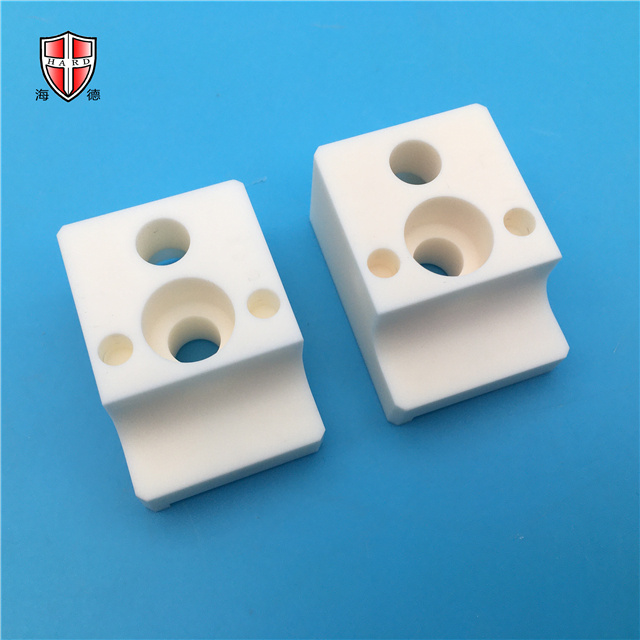
…například vodní ventily a keramické ložiska. Elektronická keramika z 95% oxidu hlinitého se primárně používá pro komponenty odolné proti korozí a opotřebení. Keramika z 85% oxidu hlinitého je obvykle míchána s talkem, což zlepšuje její elektrické vlastnosti i mechanickou pevnost; lze je hermeticky utěsnit kovy jako molybden, niob a tantal a využívají se ve vakuových elektronických zařízeních.
Co se týče grafitizace a sféroidizace keramických komponentů z oxidu hlinitého: za vysokých teplotních podmínek dochází v keramické struktuře k agregaci nebo migraci cementitu vlivem vysoké energetické hladiny, čímž se proměňuje v hrubozrnný cementit. Tato fáze přechází z lamelární (připomínající vločky) struktury do sférické formy – proces známý jako sféroidizace. Jelikož grafit má velmi nízkou pevnost a obvykle existuje ve formě vloček, tento přechod vedne k výraznému snížení pevnosti materiálu a zvýšení jeho křehkosti; proto se tento jev označuje jako grafitizace.
