Shenzhen Hard Precision Ceramic Co., Ltd.

Application Areas

  1. Domov
  2. / Application Areas

Our Product's Application Areas

2 imager

Semiconductor Applications

Advanced Ceramics in Semiconductor Applications Overview Advanced ceramic materials are indispensable in modern semiconductor manufacturing and electronic device production. Semiconductor processes operate under extremely demanding

Číst více »
pexels skip class 210143240 13548720

Medical Applications

The medical sector benefits from many properties of ceramics, such as inertness, non-toxicity, hardness, high compressive strength, low friction coefficient, wear and chemical resistance, sterile

Číst více »
pexels jeshoots 4316

Electronic

Advanced Ceramics in Electronics Applications Overview Advanced ceramic materials are essential to modern electronic technology, supporting the continuous trend toward miniaturization, higher power density, and

Číst více »
pexels magda ehlers pexels 2569839

Manufacturing

Advanced Ceramics in Manufacturing and Industrial Equipment Overview Manufacturing and processing equipment frequently operates under extreme working conditions involving high temperatures, mechanical pressure, corrosive media,

Číst více »
automotive applications

Automotive Applications

Advanced Ceramics in Automotive and Electric Mobility Applications Overview Advanced ceramic materials play an increasingly important role in modern transportation systems, including electric vehicles (EVs),

Číst více »
aircraft industry materials

Aircraft industry materials

Advanced Ceramics in Aerospace Applications Overview Advanced industrial ceramics play a critical role in modern aerospace engineering due to their exceptional performance under extreme operating

Číst více »
aircraft industry materials

Aircraft industry materials

Advanced industrial ceramics play a critical role in modern aerospace engineering due to their exceptional performance under extreme operating conditions. Compared with traditional metal materials, technical ceramics offer outstanding thermal stability, high mechanical strength, low density, excellent electrical insulation, and superior resistance to corrosion and wear.

These characteristics enable ceramic components to maintain structural integrity and functional reliability even in environments involving high temperatures, rapid temperature fluctuations, vibration, and aggressive chemical exposure. As aerospace systems continue to demand higher efficiency and lighter weight, advanced ceramics have become indispensable materials for next-generation aircraft and spacecraft.

aircraft industry materials
automotive applications1

Automotive Applications

Advanced ceramic materials play an increasingly important role in modern transportation systems, including electric vehicles (EVs), hybrid vehicles, electric buses, trucks, and rail transit equipment. As automotive technology evolves toward electrification, higher efficiency, and improved safety, traditional materials are gradually being replaced or enhanced by high-performance ceramics.

Industrial ceramics provide a unique combination of lightweight characteristics, high-temperature resistance, electrical and thermal insulation, excellent wear resistance, and strong chemical stability. These advantages contribute to improved vehicle efficiency, enhanced operational safety, reduced maintenance requirements, and longer component service life.

pexels magda ehlers pexels 2569839

Manufacturing

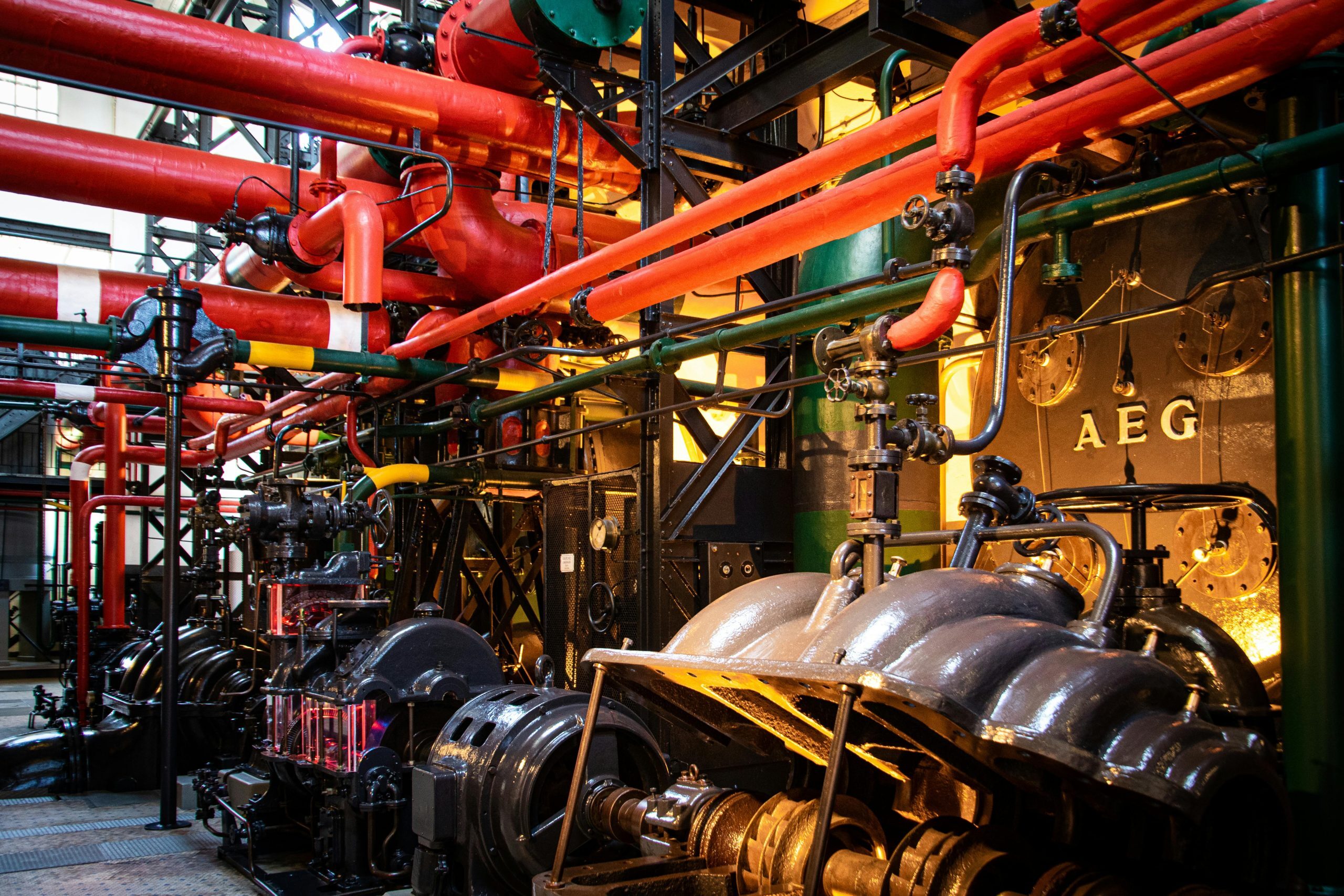
Manufacturing and processing equipment frequently operates under extreme working conditions involving high temperatures, mechanical pressure, corrosive media, and abrasive environments. Conventional metallic materials often experience rapid wear, deformation, or chemical degradation under such conditions.

Advanced ceramic materials, including both oxide and non-oxide ceramics, provide an effective alternative due to their exceptional hardness, thermal stability, chemical resistance, and long-term dimensional reliability. Selecting the appropriate ceramic material requires careful evaluation of operating temperature, chemical exposure, mechanical load, and service life requirements.

pexels magda ehlers pexels 2569839
pexels jeshoots 4316

Electronic

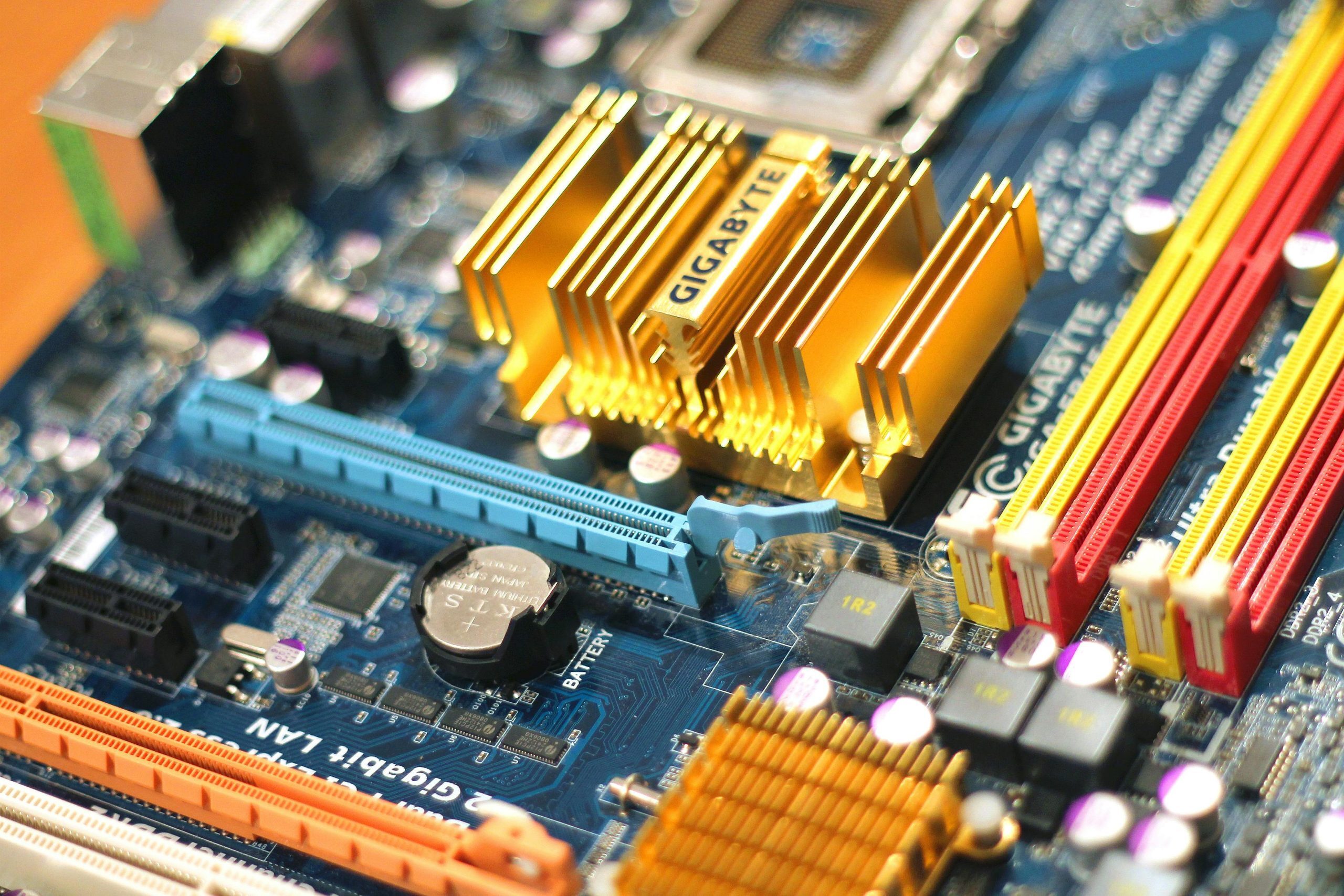
Advanced ceramic materials are essential to modern electronic technology, supporting the continuous trend toward miniaturization, higher power density, and improved device reliability. Compared with conventional materials, technical ceramics provide excellent electrical insulation, high thermal conductivity, outstanding mechanical strength, and strong resistance to corrosion and wear.

Their ability to operate reliably in harsh environments—including high temperatures, electrical stress, and chemically aggressive conditions—makes advanced ceramics indispensable for high-performance electronic components and systems. As electronic devices become smaller yet more powerful, ceramic materials play a key role in ensuring stability, efficiency, and long service life.

pexels skip class 210143240 13548720

Medical Applications

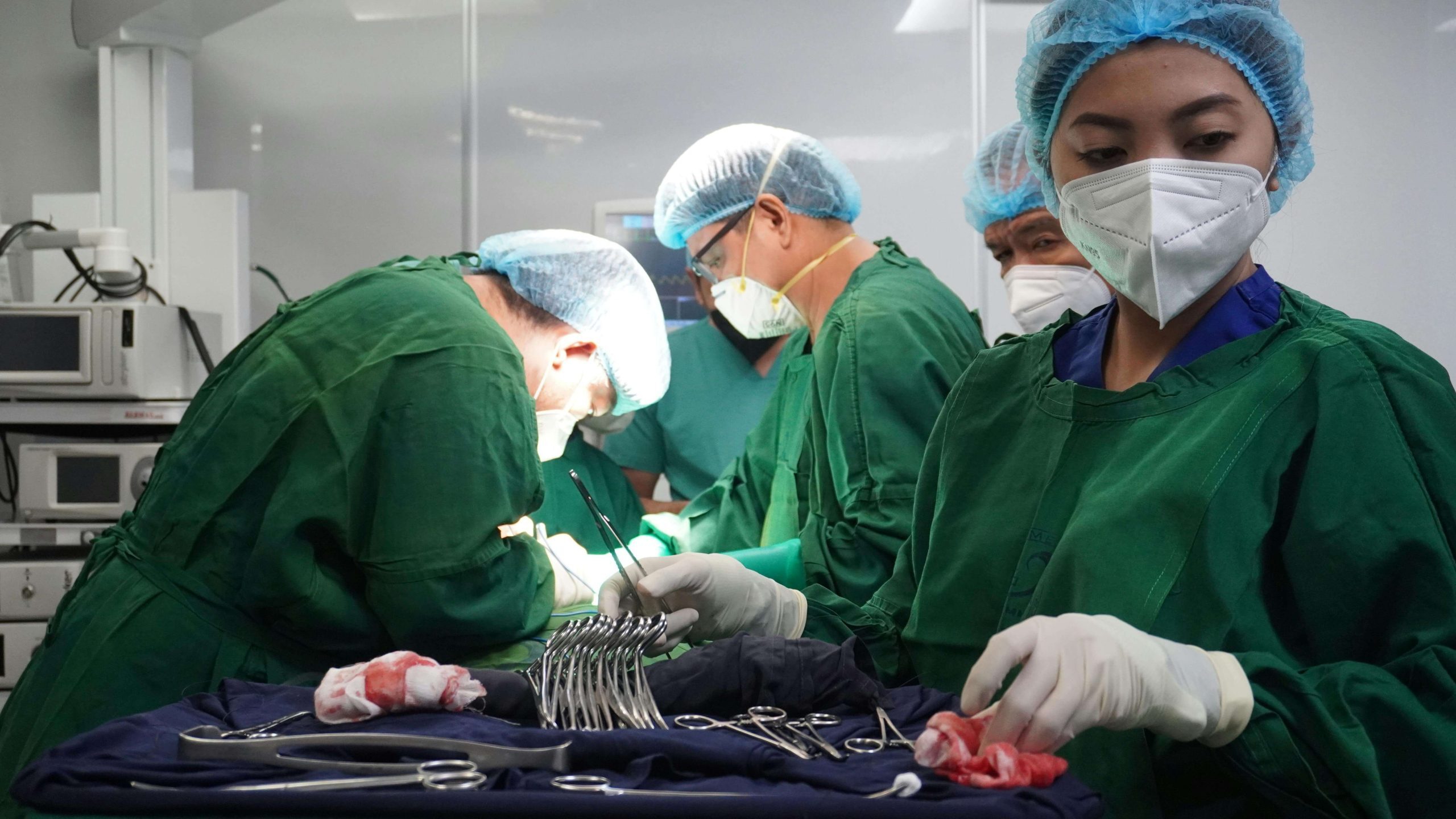
The medical sector benefits from many properties of ceramics, such as inertness, non-toxicity, hardness, high compressive strength, low friction coefficient, wear and chemical resistance, sterile nature, ability to be manufactured with various degrees of porosity, very good aesthetics, and durability. Their brittleness is mitigated by the introduction of ceramic composites and nanostructured materials, and by processing, for example through hot isostatic pressing. Ceramic coatings are also considered in those cases when there is a need to rely on the substrate’s mechanical strength and toughness.

pexels skip class 210143240 13548720
2 imager

Semiconductor Applications

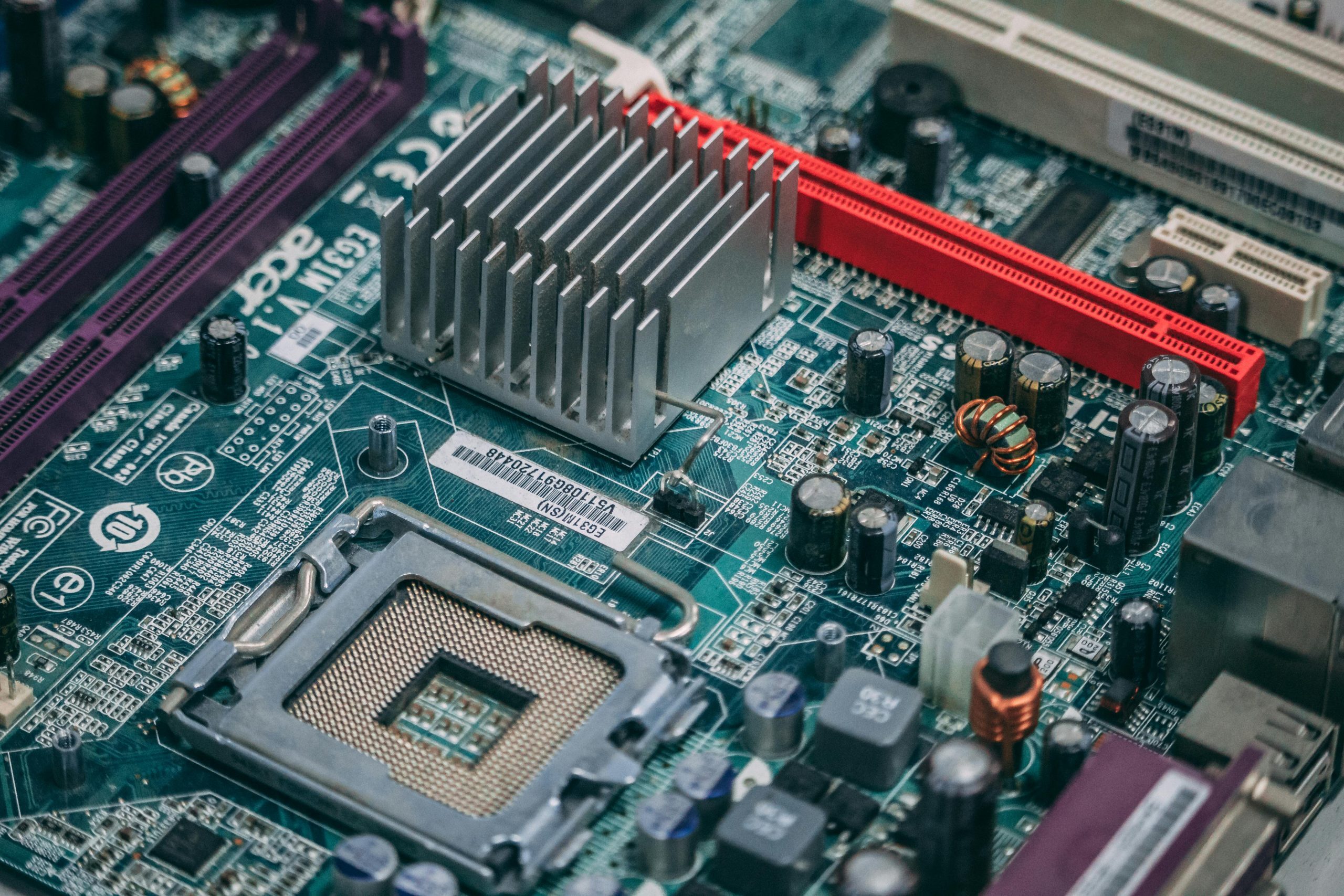
Advanced ceramic materials are indispensable in modern semiconductor manufacturing and electronic device production. Semiconductor processes operate under extremely demanding conditions involving high temperatures, vacuum environments, plasma exposure, corrosive chemicals, and ultra-high precision requirements.

Due to their exceptional thermal stability, electrical insulation, chemical resistance, and dimensional accuracy, advanced ceramics have become critical materials for ensuring process reliability and product consistency throughout semiconductor fabrication.