
 Portuguese
  English
  German
  French
  Italian
  Spanish
  Polish
  Czech
Czech  Turkish
  Russian
  Korean
  Japanese
 cerâmica de zircônia O processamento refere-se ao processamento profundo de materiais não metálicos contendo principalmente óxido de zircônio. As cerâmicas de zircônia apresentam excelente condutividade elétrica, boa resistência a forças externas e podem suportar corrosão em altas temperaturas. Com avanços e inovações contínuos nas cerâmicas de zircônia, elas têm encontrado ampla aplicação em nosso trabalho e em nossa vida cotidiana. As cerâmicas de zircônia dividem-se principalmente em cerâmicas de zircônia de precisão e cerâmicas de zircônia comuns. Muitas pessoas não estão muito familiarizadas com as cerâmicas de zircônia, por isso segue uma breve introdução aos métodos de processamento e aos tipos de cerâmicas de zircônia.
No processamento das cerâmicas de zircônia, o teor de matéria-prima das cerâmicas de zircônia de precisão pode chegar próximo a 100%. Devido à sua extrema precisão, a zircônia de precisão possui uma temperatura de sinterização próxima a 2.000 graus Celsius. Em geral, no processo de produção, utiliza-se vidro fundido em alta temperatura em vez de cadinhos de platina. Apresenta muito alta transmitância luminosa e consegue resistir à corrosão causada por metais alcalinos. Devido a essas vantagens, é utilizada na fabricação de lâmpadas de sódio. Além disso, no campo do processamento eletrônico, é geralmente empregada na fabricação de placas de circuito ou na produção de materiais isolantes de alta frequência.
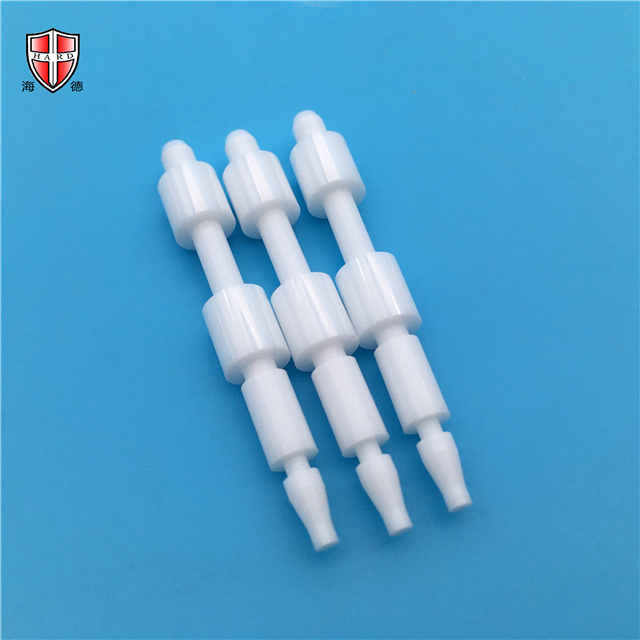
O teor de óxido de zircônio nas cerâmicas de zircônia comuns é bem inferior ao das cerâmicas de zircônia de precisão, variando geralmente entre 85% e 95%. Embora o teor de óxido de zircônio seja menor, ainda assim apresenta certas propriedades isolantes e consegue resistir a certo grau de corrosão por ácidos e álcalis. Sua resistência a altas temperaturas também é aceitável, mas suas aplicações práticas são um pouco limitadas, dependendo dos requisitos específicos de desempenho do ambiente de produção e processamento.
O processamento das cerâmicas de zircônia geralmente se divide em duas categorias: prensagem a seco e moldagem por colagem. A prensagem a seco é um processo mais complexo, que requer equipamentos hidráulicos ou mecânicos. Pode ser semi-automatizado ou totalmente automatizado, mas os métodos hidráulicos são mais maduros, produzem qualidade superior, são mais fáceis de controlar e oferecem um processo de fabricação mais avançado. Já a moldagem por colagem utiliza moldes de gesso para injetar uma suspensão de óxido de zircônio. Durante o processo, adiciona-se um aglutinante e, após moagem e desgaseificação completas, a suspensão é vertida em um molde de gesso para obter o produto final.
