Konstrukční prvky
1. Optimalizace vzorců na úrovni materiálové vědy
Substrát z vysoce čistého Si₃N₄: čistota ≥99,5%, použití kompozitního sinterovacího pomocného prostředku Y₂O₃-Al₂O₃, kontrolované rozložení fáze na hraničních površích, čímž se předejde vysokoteplotnímu měkkání hraničních struktur.
Návrh gradientní struktury: vnitřní a vnější vrstvy trubkového tělesa mají odlišnou hustotu (např. vnitřní vrstva s vysokou hustotou pro odolnost proti korozi, vnější pórovitá vrstva pro ukládání lubrikantu), což prodlužuje životnost o 30%.
2. Návrh pro adaptabilitu v extrémních podmínkách
Architektura odolná teplotním šokům:
Technologie odvádění mikrotrhlin (díky směrovému uspořádání β-Si₃N₃ vláken) udržuje strukturu neporušenou i při ΔT≥800℃.
Předem nastavená metalizovaná přechodová vrstva (metoda Mo-Mn) na konci trubky, která odpovídá koeficientu teplotní roztažnosti kovového příruby, čímž se eliminuje riziko vzniku trhlin.
Odolnost proti korozi a zpevnění:
Povrchová laserová remeltingová úprava vytváří nanokrystalický pasivační film SiO₂, odolný proti kyselé a alkalické korozivnímu působení v rozsahu pH 1–13 (vyjma HF).
3. Přesná strojírenská konstrukce
Extra kontrola tolerance:
Tolerance vnitřního průměru ±0,005 mm (úroveň vzduchové ložiska), kulatost ≤0,003 mm, vhodné pro přenos polovodičových waferů.
Zrcadlové leštění vnitřní stěny (Ra≤0,05 μm) snižuje odpor tekutiny a zabraňuje usazování částic.
Speciální tvarovaný integrovaný design:
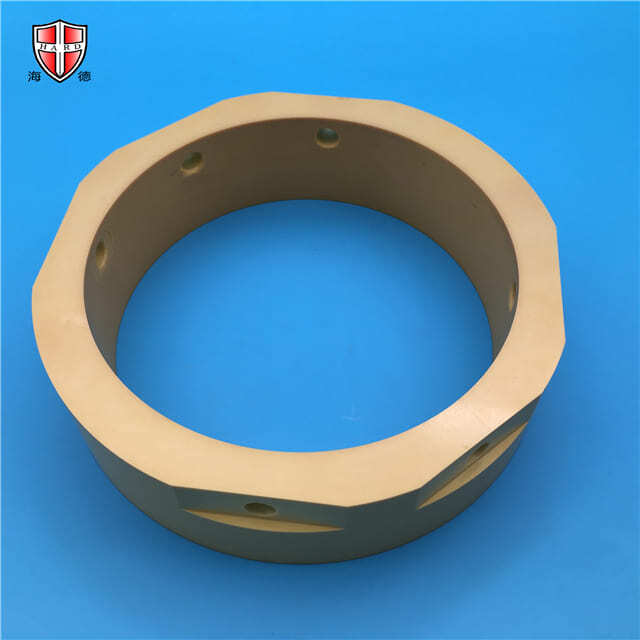
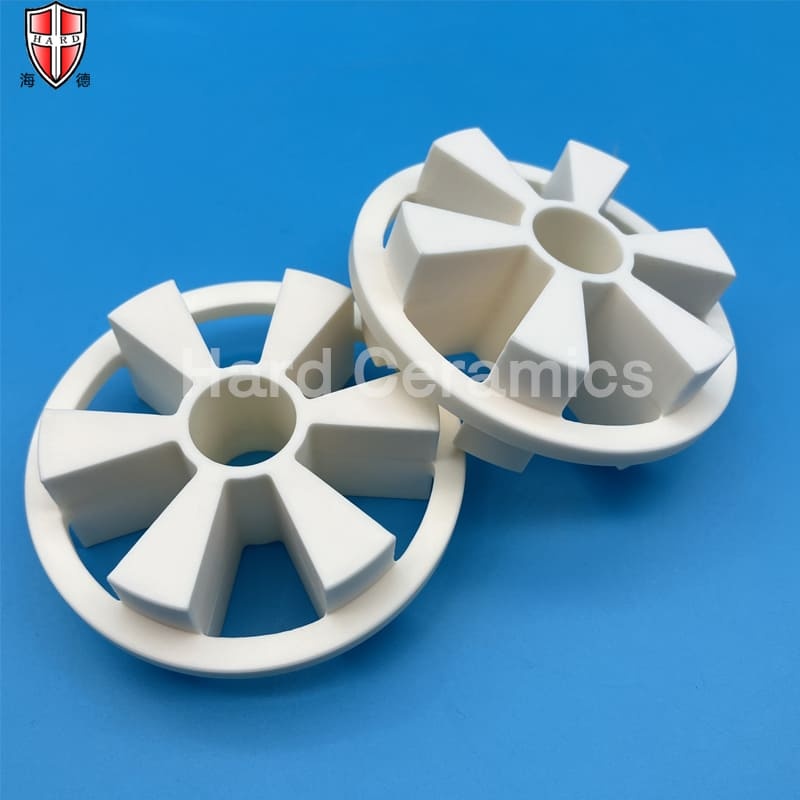
Podporuje vestavěné chladící kanály, pórovité propustné struktury (např. plynové cesty bipolárních desek palivových článků) a integrované tváření závitů a přírub.




 Czech
Czech  English
  German
  French
  Italian
  Spanish
  Portuguese
  Polish
  Turkish
  Russian
  Korean
  Japanese