
 German
  English
  French
  Italian
  Spanish
  Portuguese
  Polish
  Czech
Czech  Turkish
  Russian
  Korean
  Japanese
 Zirconia ceramics Erfordern in der Regel Prozesse wie das Schneiden von Rohlingen, Schleifen, Läppen und Polieren, um die gewünschten Teile herzustellen. Zu ihren Eigenschaften zählen das Hochtemperaturbrennen, Farbbeständigkeit, Nichtaufnahme von Flüssigkeiten, keine Verformung sowie eine einfache Reinigung. Zirkonoxidkeramiken eignen sich für den Einsatz in Mikrowellenherden, Fleischwölfen und anderen Anwendungen der Lebensmittelverarbeitung und sind ungiftig sowie harmlos für den menschlichen Körper. Haide Precision Ceramics verfügt über hochmoderne Ausrüstungen zur Keramikformgebung, Sinterung und Weiterverarbeitung; wir verfügen über umfangreiche Bearbeitungserfahrungen und können Drehen, Fräsen, Hobeln, Schleifen, Bohren, Schneiden, Gewindeschneiden und vieles mehr durchführen!
Zirconia ceramics Schneiden, Schleifen, Läppen und Polieren
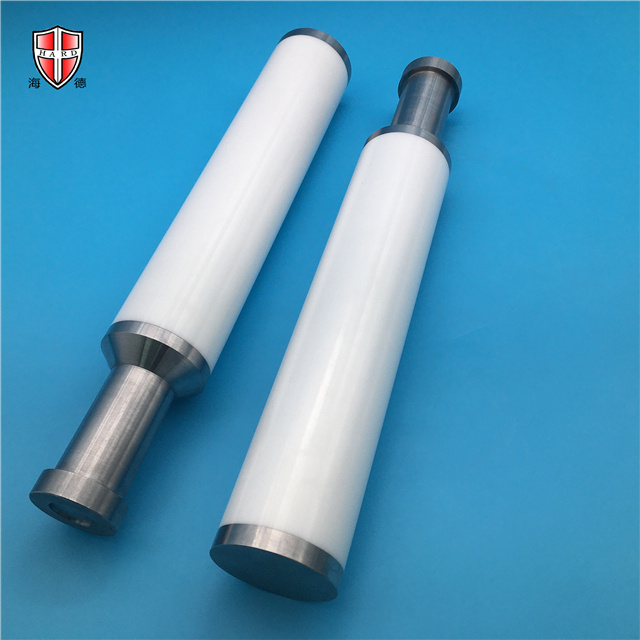
Zirconia ceramics Beim Schneiden werden üblicherweise drei Methoden angewendet: das Schneiden mit festem Schleifmittel, das Schneiden mit freiem Schleifmittel sowie das Schneiden mit einer einzelnen Schneide. Die Entwicklung leistungsfähiger Zirkonoxidkeramikanwendungen nutzt ZTA (Zirkonoxid-basiertes dreiphasiges Verbundkeramikmaterial) als Ausgangsmaterial, um keramische Ziehdüsen und Keramikwalzen sowie deren industrielle Anwendungen zu entwickeln und herzustellen. Experimente haben gezeigt, dass keramische Ziehdüsen und Keramikwalzen aus ZTA-Material die üblicherweise verwendeten Hartmetall-Ziehdüsen und Metallwalzen in industriellen Anwendungen auf Produktionslinien vollständig ersetzen können. Durch den Einsatz fortschrittlicher Mikrowellen-Sintertechnologie lassen sich die Leistungsparameter des Materials weiter verbessern, wodurch sich die Herstellungskosten für keramische Ziehdüsen und Keramikwalzen weiter senken lassen.
Mechanische Eigenschaften von Zirkonoxidkeramiken
Zirkoniumoxidkeramiken zeigen bei Raumtemperatur keine plastische Verformung. Obwohl sie eine hohe Druckfestigkeit besitzen, weisen sie relativ niedrige Zug-, Biege- und Schlagfestigkeiten auf, wodurch sie leicht spröde brechen. Je nach Materialzusammensetzung ist die theoretische Festigkeit von Zirkonoxidkeramiken sehr hoch, doch ihre tatsächliche Festigkeit beträgt nur etwa 1 % der theoretischen Festigkeit. Dies liegt an unterschiedlichen Sinterbedingungen und -prozessen, die zu verschiedenen Mehrphasenstrukturen führen. Darüber hinaus kann es beim Erhitzen der Keramik bis zu ihrer kritischen Temperatur zu Kriechvorgängen kommen; diese Kriechbewegungen sind bei hohen Temperaturen noch ausgeprägter. Während des Sinterns zieht das Kriechen der Keramik häufig das Metall mit, was zu Verformungen führt – insbesondere bei mehrteiligen Zirkonoxidkeramiken, die wiederholt gesintert werden, besteht sogar eine erhöhte Gefahr der Verformung.
Verstärkung von Zirkonoxidkeramiken
Da Zirkonoxidkeramiken spröde Bruchverhalten aufweisen, können sie den harten Bedingungen der Mundhöhle nicht standhalten. Daher konzentrieren sich Forscher weltweit auf die Verstärkung von Zirkonoxidkeramiken. Derzeit gehören zu den relativ ausgereiften Verstärkungstechniken die Verbundverstärkung, die Keramikkristallisation, die Keramikverdichtung sowie die Vorspannungsverstärkung. Die Entwicklung hochleistungsfähiger struktureller Zirkonoxidkeramikanwendungen nutzt das dreiphasige Verbundkeramikmaterial ZTA als Rohstoff, um keramische Ziehdüsen und Keramikwalzen sowie deren industrielle Anwendungen zu entwickeln und herzustellen. Experimente haben gezeigt, dass keramische Ziehdüsen und Keramikwalzen aus ZTA-Material in industriellen Anwendungen auf Produktionslinien die üblicherweise verwendeten Hartmetallziehdüsen und Metallwalzen vollständig ersetzen können. Durch den Einsatz fortschrittlicher Mikrowellensintertechnologie lassen sich die Leistungsindikatoren des Materials weiter verbessern, wodurch die Herstellungskosten für keramische Ziehdüsen und Keramikwalzen nochmals gesenkt werden können.
