
 Italian
  English
  German
  French
  Spanish
  Portuguese
  Polish
  Czech
Czech  Turkish
  Russian
  Korean
  Japanese
 illustrare
Vengono descritte le caratteristiche e le specifiche tecniche delle ceramiche di allumina ad alta purezza e standard, tra cui la resistenza alla compressione ad alte temperature, la durezza e la resistenza all’usura. Vengono poi illustrati in dettaglio la preparazione della polvere, i metodi di formatura (tra cui colaggio in pasta, estrusione e pressatura a caldo), le tecniche di sinterizzazione e le successive fasi di lavorazione di precisione, quali rettifica di precisione, taglio e trattamenti superficiali. Tali processi rendono le ceramiche di allumina idonee per applicazioni ad alta precisione nei settori meccanico, elettronico e medico.
Parte 1: Caratteristiche e Specifiche Tecniche
Le ceramiche di allumina si dividono principalmente in due categorie: ad alta purezza e ordinarie. I materiali ceramici di allumina ad alta purezza presentano un contenuto di Al2O3 superiore al 99%. Grazie alla loro elevata temperatura di esercizio (fino a 1650 °C o persino oltre), alla resistenza alla compressione (a 20 °C) pari a 2000 MPa, alla durezza Vickers (Hv50) di 15,7 (GPa) e all’energia di frattura di kJ/mm², sono ampiamente impiegate nei settori meccanico, chimico e petrolifero per la fabbricazione di vari componenti meccanici. Nel settore elettronico possono essere utilizzate come substrati per circuiti integrati e come materiali isolanti ad alta frequenza. Le ceramiche di allumina ordinarie vengono classificate in base al contenuto di Al2O3 nelle tipologie 98%, 95%, 90% e 85%; talvolta, anche quelle con un contenuto di Al2O3 dell’80% o del 75% vengono incluse nella serie delle ceramiche di allumina ordinarie.
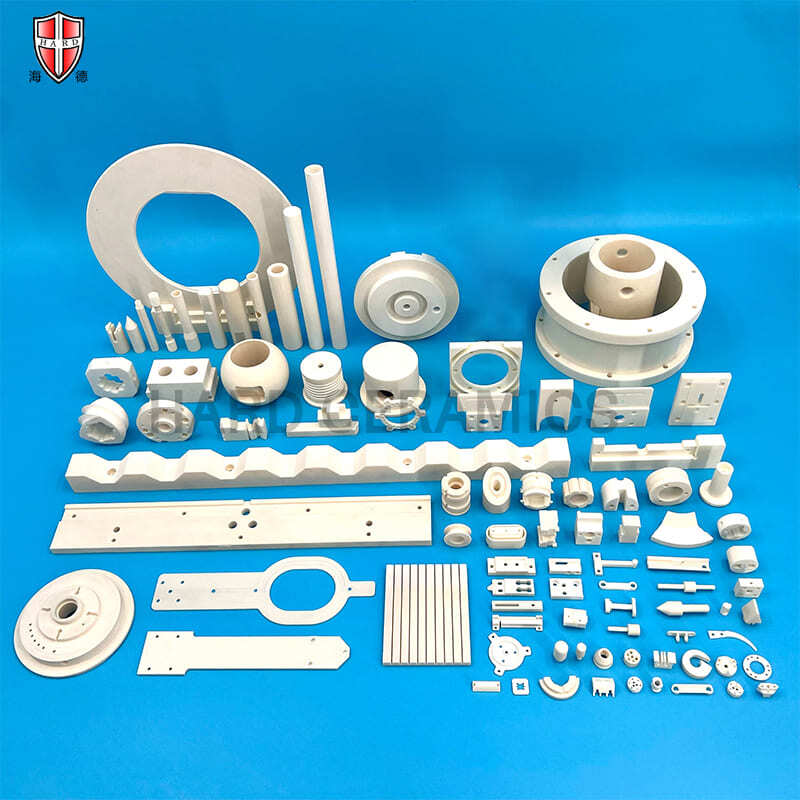
Durezza: La durezza secondo la scala di Mohs è pari a 9, seconda solo al diamante (10), superando di gran lunga l’acciaio resistente all’usura e l’acciaio comune.
Eccellente resistenza all'usura: La resistenza all’usura è 266 volte quella dell’acciaio al manganese e 171,5 volte quella della ghisa ad alto tenore di cromo. Secondo la nostra indagine di monitoraggio dei clienti negli ultimi dieci anni, a parità di condizioni operative, la vita utile delle attrezzature può essere prolungata di almeno dieci volte.
Leggerezza: La densità della ceramica di allumina è di 3,85 g/cm³, pari a soltanto la metà di quella dell’acciaio, il che consente di ridurre notevolmente il carico sugli impianti. I principali indicatori tecnici della nostra ceramica di allumina sono: contenuto di allumina ≥99%, densità ≥3,85 g/cm³, durezza Vickers (Hv50) ≥15,7 (1600) Gpa (Kg/mm²), resistenza alla compressione ≥2000 MPa, tenacità alla frattura ≥4 MPa·m1/2, resistenza a flessione ≥330 MPa, conducibilità termica 27,5 W/mK, ecc.
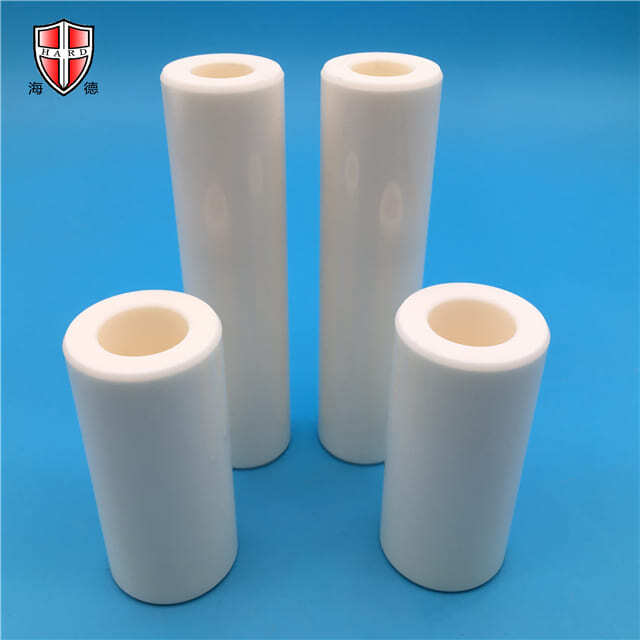
Tra questi, il materiale ceramico di allumina al 99% viene impiegato per la fabbricazione di vari componenti strutturali ceramici di precisione, come flange ceramiche, componenti strutturali ceramici di forma irregolare e manicotti protettivi in ceramica. Le ceramiche di allumina sono principalmente utilizzate come parti resistenti alla corrosione e all’usura. La ceramica di allumina all’85% spesso contiene polvere di talco per migliorare le sue proprietà elettriche e la resistenza meccanica, e può essere sigillata con metalli come molibdeno, niobio e tantalio. Talvolta viene impiegata nei dispositivi elettrovuoto.
Parte 2: Preparazione della polvere
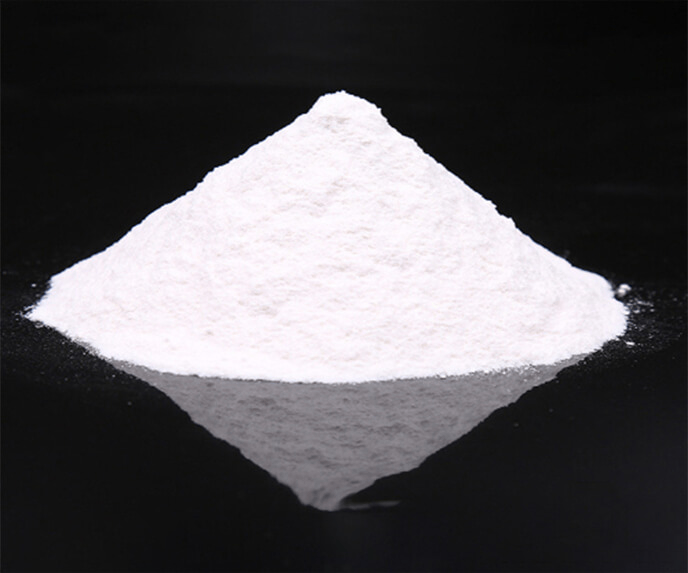
La polvere di allumina viene prodotta in base ai diversi requisiti del prodotto e ai processi di stampaggio, con una dimensione delle particelle inferiore a 1 μm. Per la produzione di ceramiche di allumina ad alta purezza è necessaria non solo una purezza dell’allumina superiore al 99%, ma anche una macinazione ultrafine e una distribuzione uniforme della dimensione delle particelle. Quando si utilizzano i processi di estrusione o stampaggio a iniezione, è necessario aggiungere alla polvere dal 10 al 30% di legante e plastificante, solitamente termoplastico o resina. Il legante organico deve essere miscelato con la polvere di allumina a 150–200 °C per facilitare lo stampaggio. I materiali in polvere pressati a caldo non richiedono l’aggiunta di leganti. Se si ricorre alla pressatura a secco semi‑automatica o completamente automatica, sono previste esigenze specifiche per la polvere. La granulazione a spruzzo richiede che la polvere sia di forma sferica, per migliorarne la scorrevolezza e facilitare il riempimento automatico della parete dello stampo durante lo stampaggio. Inoltre, per ridurre l’attrito tra la polvere e la parete dello stampo, è necessario aggiungere dall’1 al 2% di lubrificante, come acido stearico o PVA.
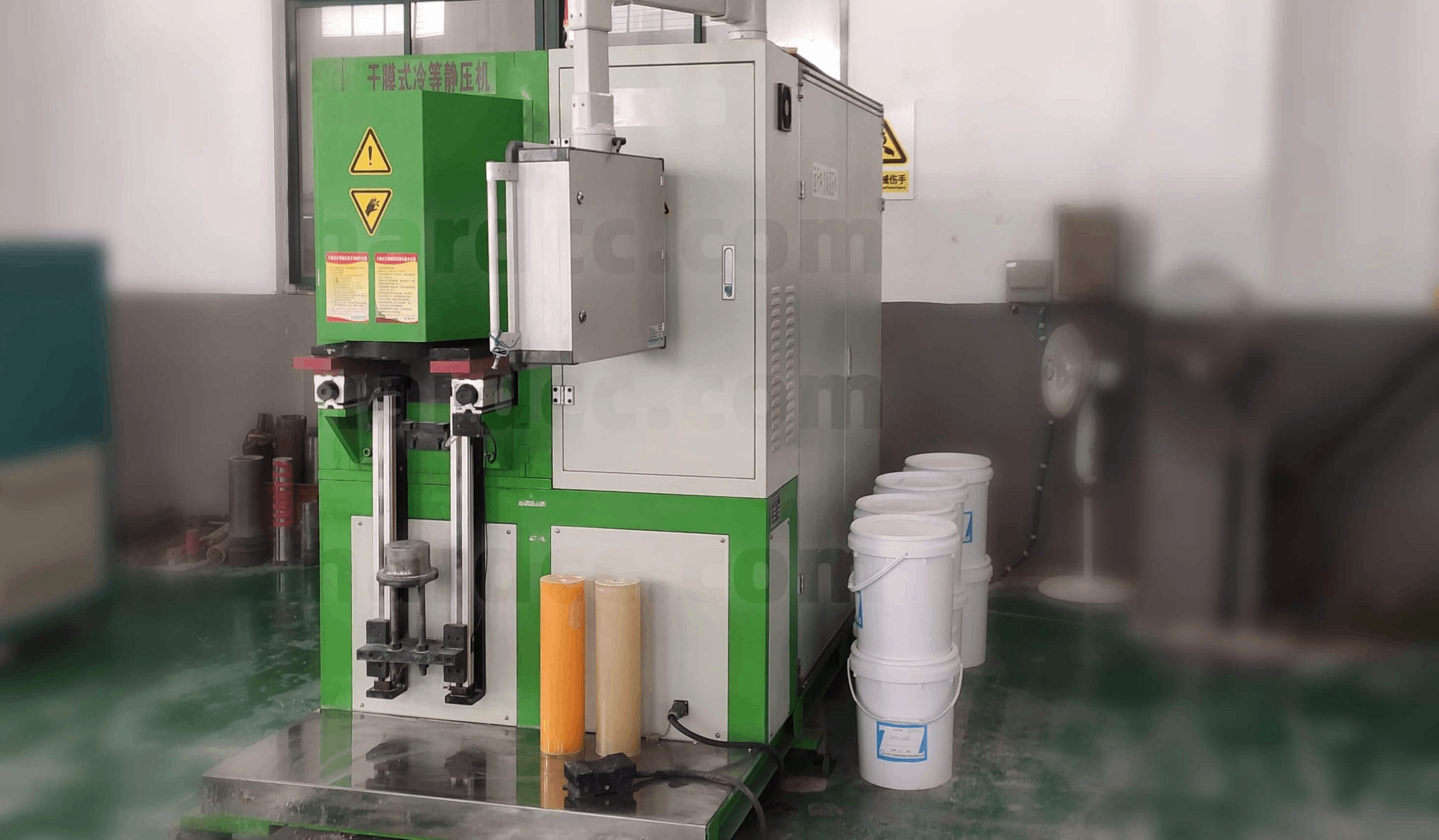
Parte 3: Metodo di stampaggio
Attraverso queste fasi di lavorazione di precisione, le ceramiche di allumina possono essere trasformate in componenti ceramici di alta precisione che soddisfano svariati requisiti ad alta tecnologia e sono ampiamente impiegate nei settori dell'elettronica, della meccanica, della medicina e in altri ambiti.
Scopri le caratteristiche, il processo di produzione e le applicazioni industriali delle ceramiche di allumina. Impara perché i materiali ceramici di allumina sono ampiamente utilizzati nell'elettronica, nei semiconduttori, nella meccanica, nei dispositivi medici e nei componenti resistenti all'usura.
Parte 4: Tecnologia di sinterizzazione
La sinterizzazione è una tecnica utilizzata per rendere più densi i grezzi ceramici granulari, trasformandoli in materiali solidi. Durante il processo di sinterizzazione vengono eliminati pori, piccole quantità di gas, impurità e sostanze organiche presenti nel grezzo, consentendo alle particelle di crescere e solidificarsi. Per la sinterizzazione si utilizzano comunemente forni elettrici. Oltre alla sinterizzazione a pressione atmosferica, esistono anche la sinterizzazione a pressione elevata e la pressatura isostatica a caldo (HIP). Sebbene la sinterizzazione continua a pressione elevata aumenti la resa produttiva, risulta costosa in termini di attrezzature e stampi, e la lunghezza del pezzo finito risulta limitata a causa del riscaldamento assiale. Attualmente, molti prodotti ceramici di allumina ad alto valore aggiunto o componenti speciali richiesti per la difesa nazionale, come cuscinetti ceramici, specchi, combustibile nucleare e prodotti cilindrici, vengono realizzati principalmente mediante HIP o mediante sinterizzazione senza pressione in vuoto ad alta temperatura.
Parte 5: Lavorazioni successive
Dopo la sinterizzazione, le ceramiche di allumina richiedono una serie di operazioni di lavorazione di precisione per soddisfare le esigenze di numerose applicazioni ad alta precisione. Le fasi successive della lavorazione delle ceramiche di precisione comprendono i seguenti passaggi chiave:
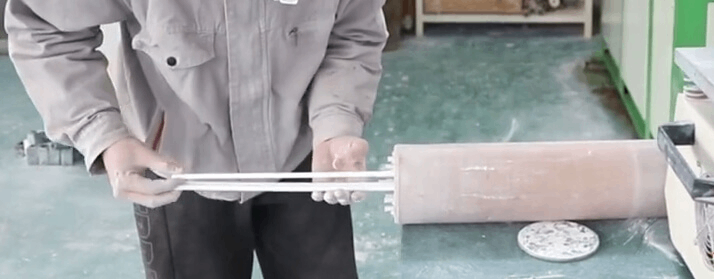
Levigatura e lucidatura di precisione: I grezzi ceramici di allumina sinterizzati necessitano di rettifica e lucidatura di precisione per ottenere la finitura superficiale e la precisione dimensionale desiderate. Questa lavorazione viene eseguita passo dopo passo, dalla rettifica grossolana fino alla rettifica fine, culminando nella lucidatura finale.
Taglio e sagomatura di precisione: In base alle esigenze del cliente, le ceramiche di allumina sinterizzate possono essere ulteriormente tagliate e modellate per ottenere geometrie complesse e strutture intricate. L’avanzata tecnologia di taglio laser è ampiamente impiegata per garantire la precisione del taglio e la qualità del prodotto finito.
Ispezione e controllo qualità: I componenti ceramici di precisione lavorati sono sottoposti a molteplici controlli e a rigorosi processi di controllo qualità per garantire la qualità e le prestazioni del prodotto. I metodi di ispezione più comuni includono la misurazione dimensionale, i test di durezza e i test di stabilità termica. Durante l’ispezione vengono utilizzate attrezzature e strumenti specializzati, e si seguono le relative norme e specifiche di controllo.
Grazie a queste fasi di lavorazione di precisione, le ceramiche di allumina possono essere trasformate in componenti ceramici di alta precisione, capaci di soddisfare svariati requisiti ad alta tecnologia e ampiamente impiegati nei settori dell’elettronica, della meccanica, della medicina e in altri ambiti.
