Design Features
1. Material Properties
1.1 Color
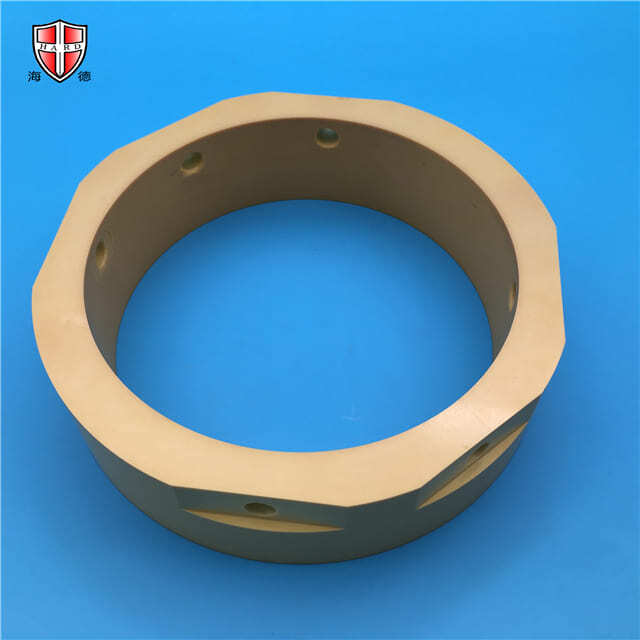
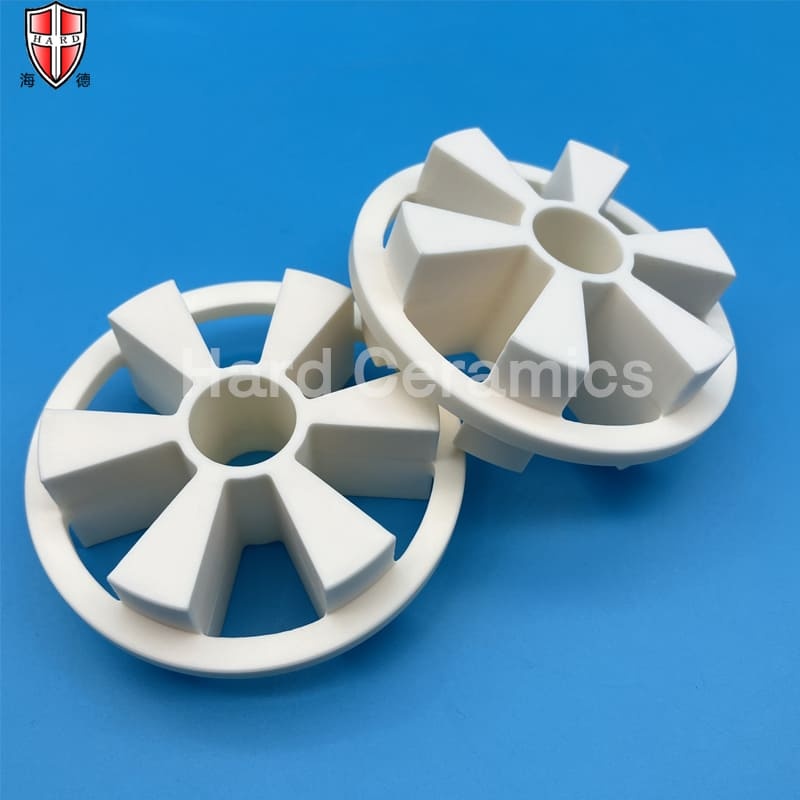
Zirconia insulation tubes are typically white, a characteristic appearance that aligns with common features of ceramic materials.
1.2 Density
The density of zirconia insulation tubes is approximately 6 g/cm³, providing a high material compactness that enhances its wear resistance and high-temperature performance.
1.3 Zirconia Content
The primary component of these insulation tubes is zirconia, with a content of 94.40%, ensuring excellent high-temperature resistance and chemical stability.
1.4 Permeability and Water Absorption
Zirconia insulation tubes have a permeability of 0 and a water absorption rate of 0%, indicating extremely low gas permeability and moisture absorption, making them suitable for high-temperature and high-pressure environments.
1.5 Grain Size
The grain size is approximately 0.5 μm, indicating a fine grain structure that contributes to the material’s strength and hardness.
2. Mechanical Properties
2.1 Rockwell Hardness and Vickers Hardness
The Rockwell hardness (R45N) of zirconia insulation tubes is 78, and the Vickers hardness (500g load) is 11.5 GPa (1175 Kg/mm²), demonstrating high hardness and wear resistance.
2.2 Flexural Strength and Compressive Strength
At 20°C, the flexural strength of these insulation tubes reaches 800 MPa, and the compressive strength is 2000 MPa, indicating excellent mechanical strength and compressive performance.
2.3 Elastic Modulus and Fracture Toughness
The elastic modulus is greater than 200 GPa, and the fracture toughness is 9 MPa·m1/2, reflecting high rigidity and impact resistance.
3. Thermal Properties
3.1 Thermal Conductivity
The thermal conductivity of zirconia insulation tubes is approximately 2.5 W/(m·K) in the range of 20°C to 400°C, classifying them as insulating materials that help maintain stable temperatures in high-temperature environments.
3.2 Coefficient of Thermal Expansion
The coefficient of thermal expansion is 9.6 × 10^-6/°C, indicating moderate thermal expansion that helps reduce thermal stress during thermal cycling.
3.3 Thermal Shock Resistance
Zirconia insulation tubes exhibit excellent thermal shock resistance, with a thermal shock temperature difference of 250°C, indicating their stability in environments with rapid temperature changes, minimizing the risk of thermal cracking or fracturing.
Application Areas
Due to its excellent high-temperature performance and chemical stability, zirconia insulation tubes are widely used in the following industries:
- Metallurgical Industry: Used as insulation tubes for high-temperature smelting furnaces, enhancing furnace temperature stability and thermal efficiency.
- Glass Industry: Used as rollers or insulation tubes in glass melting furnaces to resist high-temperature glass corrosion and wear.
- Ceramic Industry: Used for rollers in ceramic molding machines, improving production efficiency and quality of ceramic products.
With its outstanding physical and mechanical properties, as well as stable performance in high-temperature environments, zirconia insulation tubes have become indispensable materials in the high-temperature industrial sector.




 English
  German
  French
  Italian
  Spanish
  Portuguese
  Polish
  Czech
Czech  Turkish
  Russian
  Korean
  Japanese