How to make heat-resistant pipes using alumina, and the connection steps for alumina ceramic pipes.
When discussing the connection steps for alumina ceramic tubes, the first step is to cut the tube. Simply put, we need to cut the alumina
Compared with traditional metal materials, advanced ceramics have excellent properties such as high hardness, high strength, high temperature resistance, wear resistance, corrosion resistance, acid and alkali resistance, oxidation resistance, insulation, non-magnetic properties, and excellent chemical stability. They can withstand extreme working conditions that metal materials cannot meet and have a wide range of application prospects. The product is widely used in many fields such as aerospace, aviation, military industry, semiconductor, new energy, nuclear energy, machinery, textile, chemical, electronics, food, medical, etc.
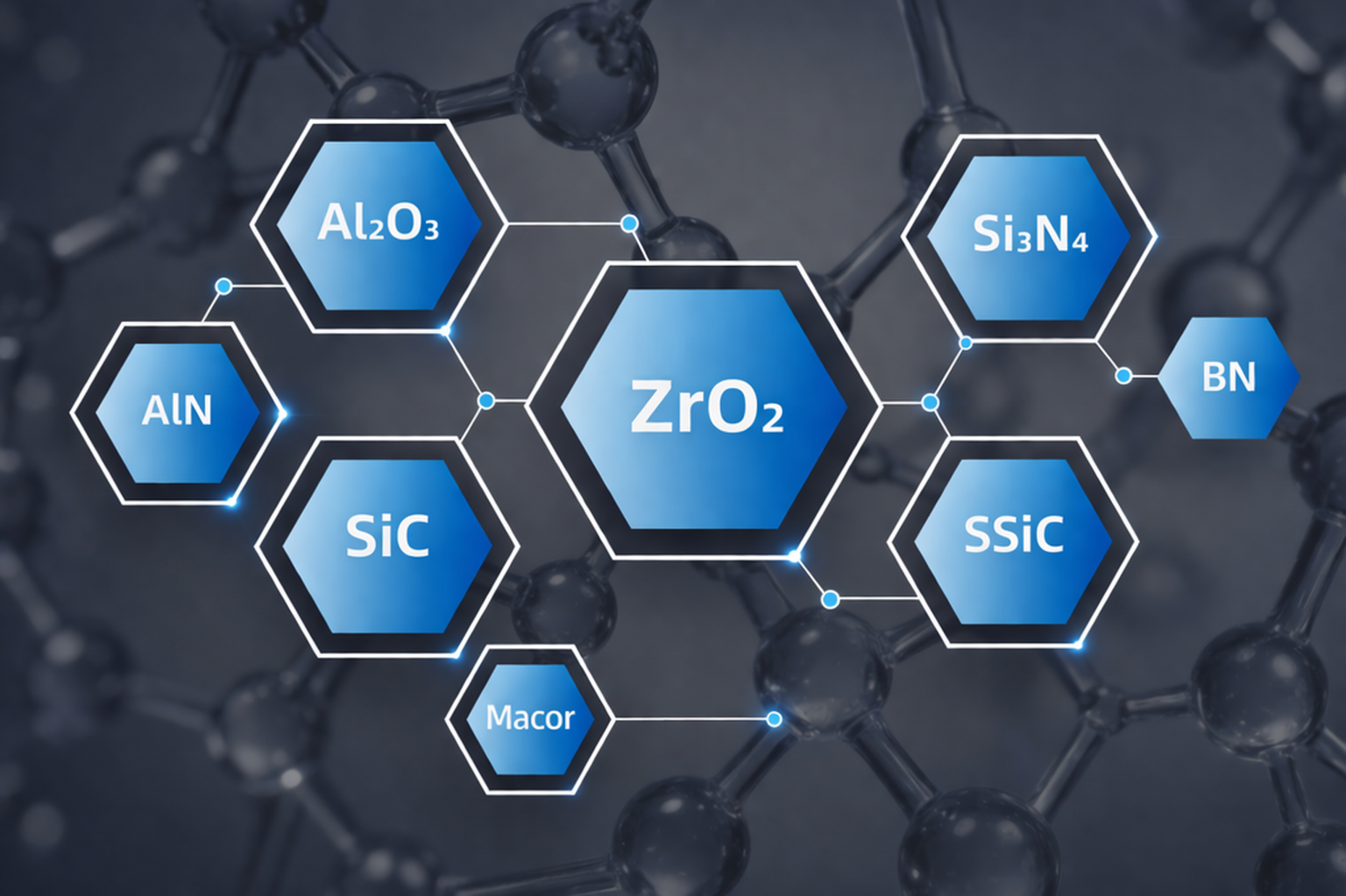
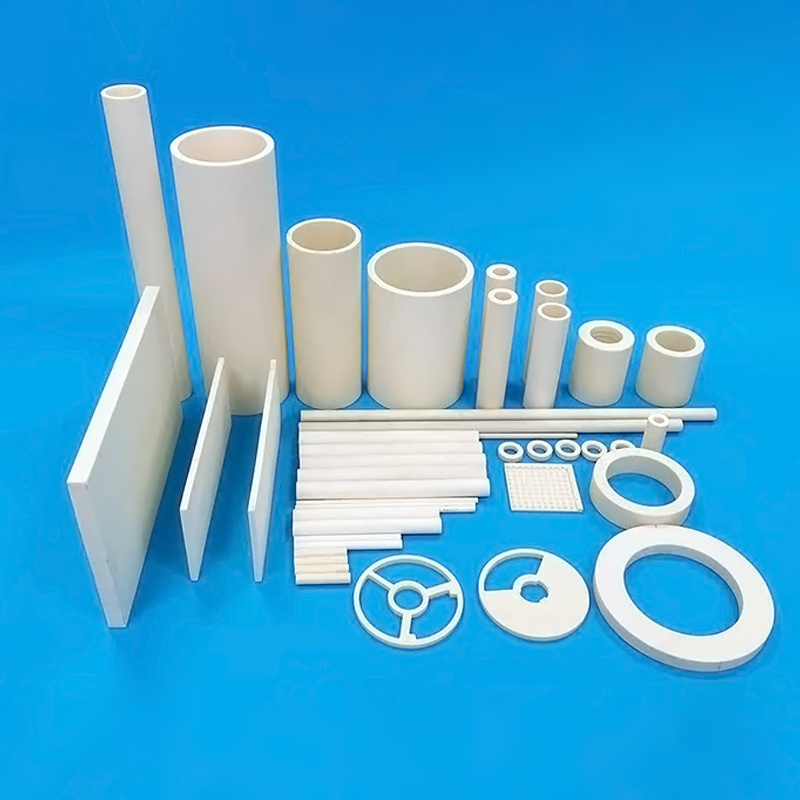
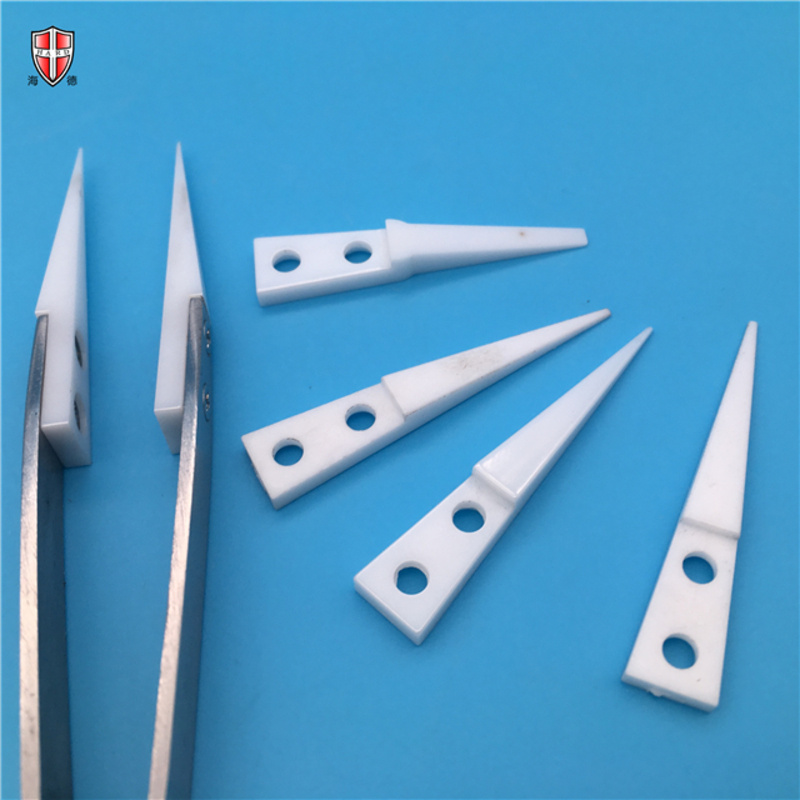
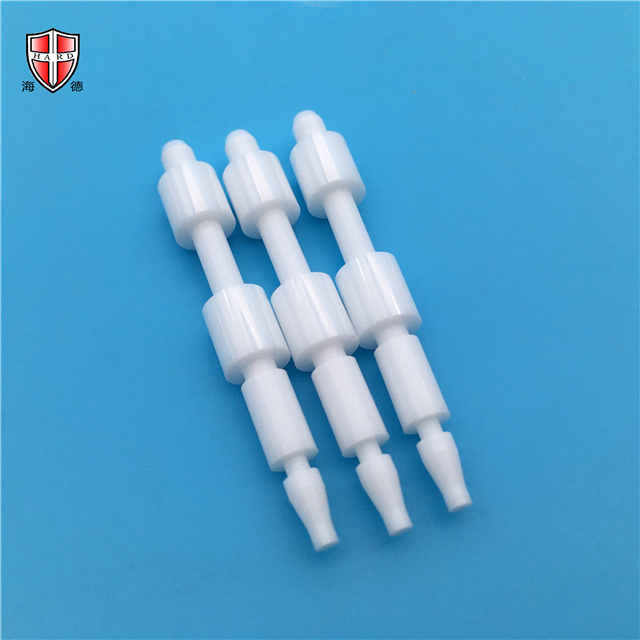
Our advanced ceramic product materials include zirconia (ZrOs), alumina (AlOs), silicon nitride (SisNa), aluminum nitride (ALN), boron nitride (BN), silicon carbide (SIC),l machinable (MACOR), etc. Our products have two parts: one is ceramic materials such as ceramic rods, tubes, sleeves, plates, blocks, and strips, and the other is precision ceramic parts for industrial use and civilian products. The company is equipped with advanced equipment and mature processes for the entire process of molding, sintering,land precision machining. We sincerely look forward to working together with domestic and foreign customers to create a better future.
We specialize in the production of high-performance industrial ceramic components, including alumina, zirconia, silicon nitride, and boron nitride materials.
Using advanced forming techniques such as dry pressing, isostatic pressing, and injection molding, combined with high-temperature sintering up to 1700°C, we ensure excellent density and structural stability.
Our precision CNC machining and grinding processes allow dimensional tolerances up to ±0.005 mm, making our ceramic parts ideal for semiconductor equipment, automotive systems, and precision machinery.
We provide a wide range of advanced ceramic materials designed for demanding industrial environments.
• Alumina (Al₂O₃) – Excellent electrical insulation and wear resistance
• Zirconia (ZrO₂) – High strength, fracture toughness, and premium surface finish
• Silicon Nitride (Si₃N₄) – Outstanding thermal shock resistance and mechanical performance
• Boron Nitride (BN) – Superior thermal conductivity and non-wetting properties
These materials are widely used in semiconductor manufacturing, smart devices, automotive components, energy systems, and high-end industrial equipment.

When discussing the connection steps for alumina ceramic tubes, the first step is to cut the tube. Simply put, we need to cut the alumina

Silicon carbide has the advantages of relatively low price, good corrosion resistance, and high strength, but its biggest drawbacks are its susceptibility to oxidation and

illustrate What are the conventional sintering methods for alumina ceramics? Conventional sintering methods cannot meet the requirements for preparing transparent alumina ceramics. Commonly used sintering

When discussing the connection steps for alumina ceramic tubes, the first step is to cut the tube. Simply put, we need to cut the alumina

Silicon carbide has the advantages of relatively low price, good corrosion resistance, and high strength, but its biggest drawbacks are its susceptibility to oxidation and

illustrate What are the conventional sintering methods for alumina ceramics? Conventional sintering methods cannot meet the requirements for preparing transparent alumina ceramics. Commonly used sintering

As is well known, automobiles operate in extremely harsh environments and conditions, therefore, the various components that make up this behemoth must possess excellent functionality.
Shenzhen Hard Precision Ceramic Co., Ltd.