
 English
  German
  French
  Italian
  Spanish
  Portuguese
  Polish
  Czech
Czech  Turkish
  Russian
  Korean
  Japanese
 1. Why is the semiconductor industry inseparable from industrial ceramics?
Semiconductor equipment has three core requirements for materials:
High-Temperature Stability
High-temperature environments of 200–800℃ are frequently encountered during manufacturing processes.
Industrial ceramics can withstand high temperatures without deformation.
High Insulation
Semiconductor electronic control and high-voltage testing equipment have stringent insulation requirements.
Ceramics such as alumina and aluminum nitride have resistivity as high as 10¹⁴ Ω·cm.
Thermal Conductivity and Dissipation Capacity
High-power modules require efficient heat dissipation.
Aluminum nitride ceramics have a thermal conductivity of up to 170 W/m·K.
In addition, industrial ceramics also possess:
Corrosion Resistance
Wear Resistance
Precision Machining Capability
High Dimensional Stability
These properties are difficult to simultaneously meet with traditional metals, plastics, or glass materials.
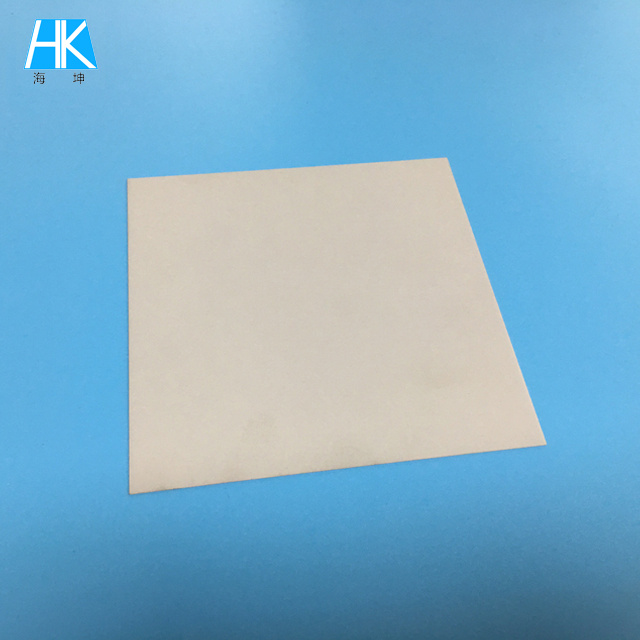
2. Industrial ceramic materials commonly used in the semiconductor industry
| Material | characteristic | Typical applications |
|---|---|---|
| Alumina ceramics (Al₂O₃) | High insulation (>25KV/mm), high wear resistance, and high cost performance. | Substrate, support frame, insulating bushing |
| Aluminum nitride ceramics (AlN) | High thermal conductivity (≥170W/MK), insulating, thermally matched silicon chip | Power module substrate, LED substrate, heat dissipation structure |
| Silicon nitride ceramics (Si₃N₄) | High strength, thermal shock resistant (≥500△T.℃), lightweight | High-speed bearings, mechanical seals, precision support components |
| Zirconia ceramics (ZrO₂) | High toughness (≥9 MPa·1½), wear-resistant, and impact-resistant. | Valve core, plunger, precision structural components |

Semiconductor alumina heat dissipation ceramic components
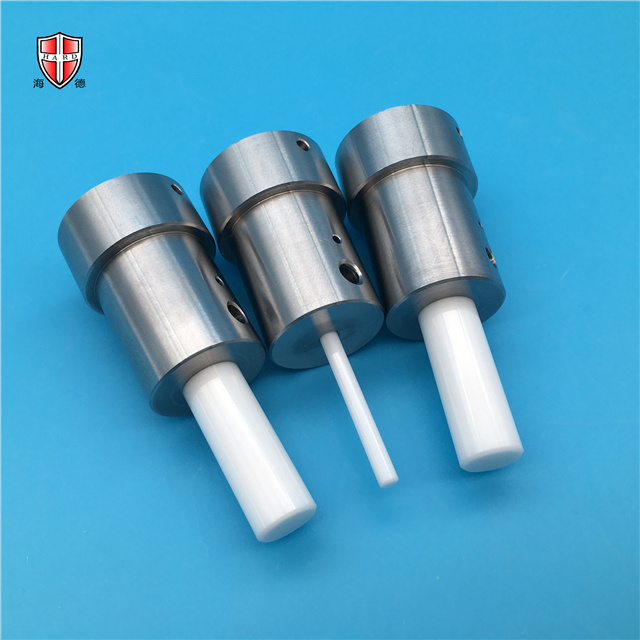
3. Key Applications of Industrial Ceramics in Semiconductor Equipment
Wafer Manufacturing Equipment
High-Temperature Furnace Linings, Supports, Sliders
Stable Process, Thermal Shock Resistance
Power Device Packaging
Ceramic Substrates, High Thermal Conductivity Heat Dissipation Structures
Ensuring Safe Operation of Power Modules
RF and Microwave Components
High Insulation, High-Temperature Stability
Guiding Signal Stability
Testing and Automation Systems
Precision Guides, Mechanical Seals
High Wear Resistance, Long-Term Reliability
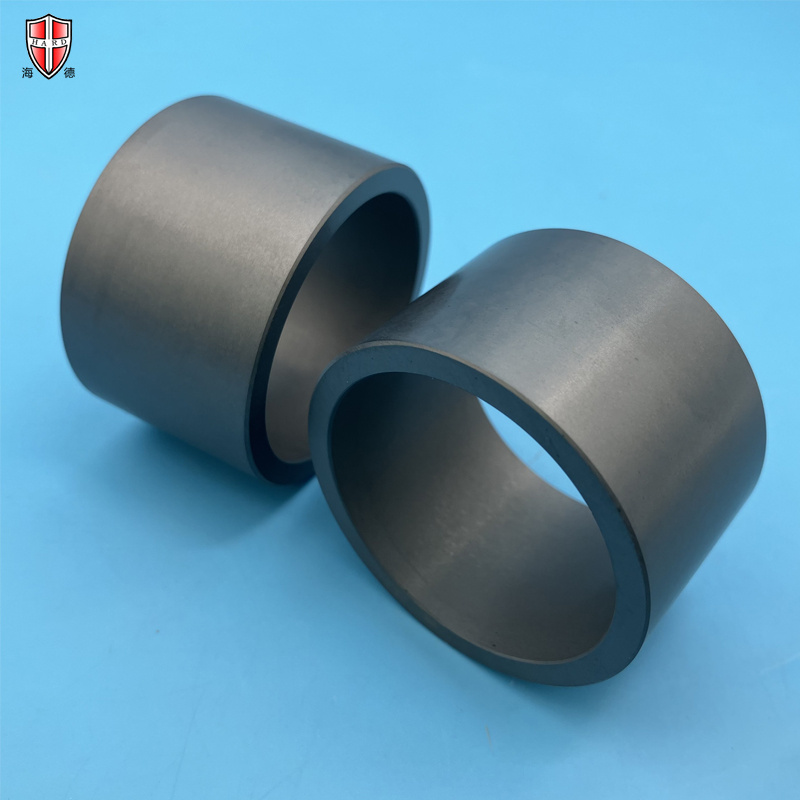
4. Advantages of choosing industrial ceramics
Enhanced equipment reliability: Stable operation even under high temperature and high load conditions
Extended service life: Wear and corrosion resistance reduces replacement frequency
Improved product performance: Thermal conductivity and insulation properties ensure stable operation of power devices
Meets high-precision machining requirements: Customizable for micro-holes, irregular shapes, and precision dimensions
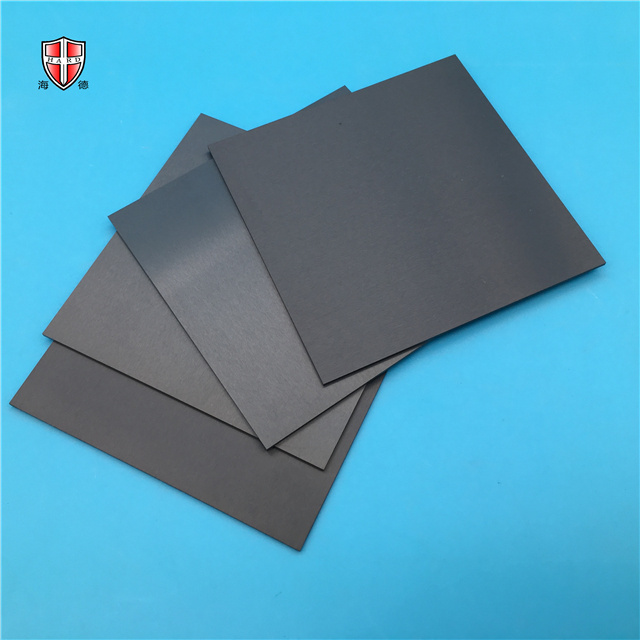
5. The semiconductor industry must use industrial ceramics.
In summary, the semiconductor industry’s high requirements for materials make industrial ceramics a key component
The best choice for high temperature resistance, insulation and heat dissipation, wear and corrosion resistance, and precision machining.
Industrial ceramics play an irreplaceable role in wafer fabrication, packaging and testing, as well as power modules and RF equipment.
We offer high-performance industrial ceramics for the semiconductor industry, including:
Alumina ceramics, aluminum nitride ceramics, silicon nitride ceramics, zirconium oxide ceramics
Custom sizes, micro-hole machining, irregularly shaped parts
Precision grinding and polishing, mirror surface treatment
Small batch prototyping and mass production
✅ If you need:
Power module substrates
High-temperature furnace supports
Precision ceramic structural components
Semiconductor equipment parts. Contact us now for customized solutions and quotes!
