
 Turkish
  English
  German
  French
  Italian
  Spanish
  Portuguese
  Polish
  Czech
Czech  Russian
  Korean
  Japanese
 Bilindiği gibi, otomobiller son derece zorlu ortamlarda ve koşullarda çalışır; bu nedenle, bu devasa makinenin parçaları mükemmel işlevselliğe sahip olmalıdır. Günümüzde, otomotiv parçalarında zirkonya seramik yapısal bileşenlerin kullanımı oldukça yaygındır.
1. Zirkonya seramik yapısal bileşen sensörü
zirkonya seramik Oksijen sensörleri yüksek mekanik özelliklere ve güvenilirliğe sahiptir. Arıtılmuş egzoz gazının bir bileşeni olarak, otomobil egzozundaki O2 konsantrasyonunu belirlemek için kullanılabilir; ardından ölçülen değer motorun hava ve yakıt besleme sistemlerine geri bildirim olarak iletilerek yakıtın tamamen yanmasını sağlar. Bu seramik malzemenin tüm fazları tamamen kübik kararlı zirkonya, tetragonal zirkonya ve kısmen kararlı karışık monoklinik kristallerden oluştuğu için, kullanım sırasında mekanik özellikleri son derece iyidir ve sürtünmeden kaynaklanan ısıyı azaltabilir.
2. Zirkonya Seramik Vanasız Isıtıcılar
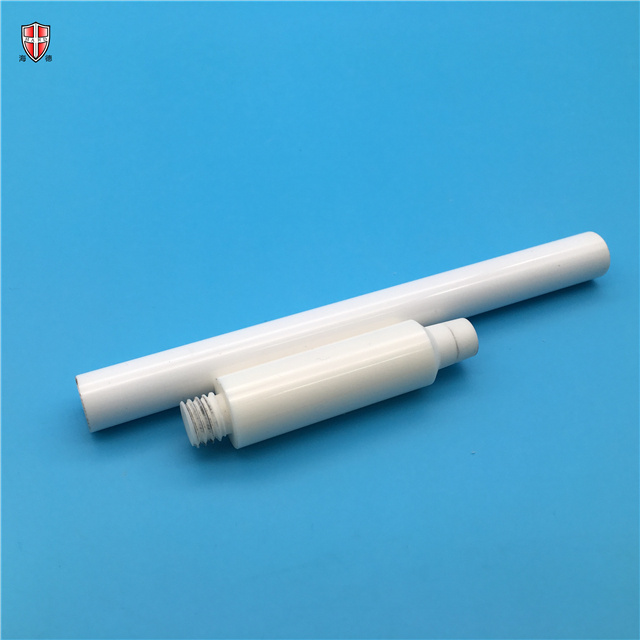
Motorun çalıştırılması sırasında tam yanmayı sağlamak için, giriş hava sıcaklığını artırıp yakıtın tamamen buharlaşmasını ve homojenleşmesini sağlamak amacıyla, motorun emme tarafına bir ısıtma cihazı, yani valf ısıtıcısı monte edilir. Emme sırasında ısıtmanın sıcaklık kontrolünü sağlamak ve ekipmanın güvenilirliğini artırmak için, valf ısıtıcısı olarak baryum titanat seramik PTC (termistör) kullanılır. Seramik valf ısıtıcısı kullanıldığında, motor çalıştırıldıktan sonra tam yanma durumunda kalır; bu da termal verimliliğin artırılması, enerji tasarrufu ve egzoz gazı arıtımı gibi etkileri sağlar. Valf ısıtıcısı özel bir seramik malzemeden üretilir.
3. Zirkonya Seramik Motorlar
Otomobillerde özel seramiklerin uygulanmasıyla, halihazırda popüler ve yaygın kullanılan pistonlu motorlarda yardımcı yanma odaları, silindir başlıkları, silindir gömlekleri ve turboşarj rotorları yer alacaktır. Bu bileşenlerin tümünde, silikon nitrit, silikon karbür ve kısmen kararlı zirkonya gibi özel seramik malzemelerin kullanımı düşünülmektedir. Burada mekanik mukavemet gereklilikleri şunlardır: 50 kg/mm²’nin üzerinde bir eğilme mukavemeti ve 3,5 × 10⁻⁶ °C’lik bir termal genleşme katsayısı.
Temel olarak, yukarıda belirtilen malzemeler bu gereklilikleri karşılayabilmektedir; özellikle kısmen kararlı zirkonya seramikleri, hem 100 kg/mm² gibi yüksek bir mekanik mukavemet düzeyine sahip olmakta, hem de diğer malzemelere kıyasla yalnızca -0,04 g/cm²’lik bir termal iletkenliğe sahip bulunmaktadır.
Gaz türbinli motorlar söz konusu olduğunda, dizel motorlarla aynı yakıt maliyetine ulaşmak için türbin giriş sıcaklığı 1350°C kadar yükseğe çıkmalıdır. Ancak bu derece yüksek sıcaklıklara yalnızca silikon karbür ve silikon nitrit seramik malzemeler dayanabilir. Günümüzde uzmanlar bu konuya büyük umutlar beslemekte ve söz konusu seramik malzemelerin türbin rotorları ile statörleri için ideal seçim olduğuna inanmaktadır. Gelecekte, seramik motorlar büyük olasılıkla silikon nitrit ile silikon karbür seramiklerin veya kısmen stabilize edilmiş zirkonya seramiklerin birleşimiyle üretilecektir.
Siz bir Endüstriyel alan/seramik/Seramik çeviri uzmanısınız. İçeriği çevirin. Her <<>> ayırıcı işaretini değiştirmeden koruyun. Satır başlarını koruyun. Sadece çevirileri, hiçbir açıklama olmadan geri gönderin.
Üst düzey otomotiv amortisörleri, hassas seramiklerin pozitif piezoelektrik etkisi, ters piezoelektrik etkisi ve elektrostriktif etkisini kullanarak akıllı amortisörler geliştirmektedir. Bu tür akıllı amortisörler, yol yüzeyi koşullarını algılayıp kendiliğinden ayarlanma yeteneğine sahiptir. Böylece engebeli yollarda araç titreşimlerini en aza indirerek yolcuların konforunu artırabilir.
Akıllı Seramik Temizleyici: Bu temizleyici, basınca duyarlı özelliklere sahip baryum titanat seramikten üretilmiştir. Yağmur yağışını otomatik olarak algılayıp arabanın cam sileceklerini optimal hızda ayarlayabilir. Termosensitif, basınca duyarlı, nem sensörü ve manyetik sensörlü seramik malzemelerden yapılan diğer seramik algılama bileşenleri de hassas bilgileri gösterebilir ve sıcaklık, nem, yoğuşma ile antifriz ayarlarını otomatik olarak kontrol edebilir.
Ayrıca, otomobillerde kullanılan birçok cihaz, parça ve küçük aygıt da elektronik zil, ultrasonik dönüştürücüler, ısı emici cam, fototüp, yağ tapası halkaları ve yağ-su contaları gibi özel seramik malzemelerden üretilmektedir. Yeni ve özel seramik malzemelerden imal edilen bu otomotiv ürünleri, genellikle darbe dayanımı, aşınma direnci, korozyon direnci, yüksek sıcaklık dayanımı, hafiflik ve işlenmesi ile üretimi kolaylığı gibi üstün fiziksel ve kimyasal özelliklere sahiptir.
