Características de diseño
① A Wide Range of Ceramic Materials
We offer various types of engineering ceramics to meet diverse operating conditions and processing requirements.
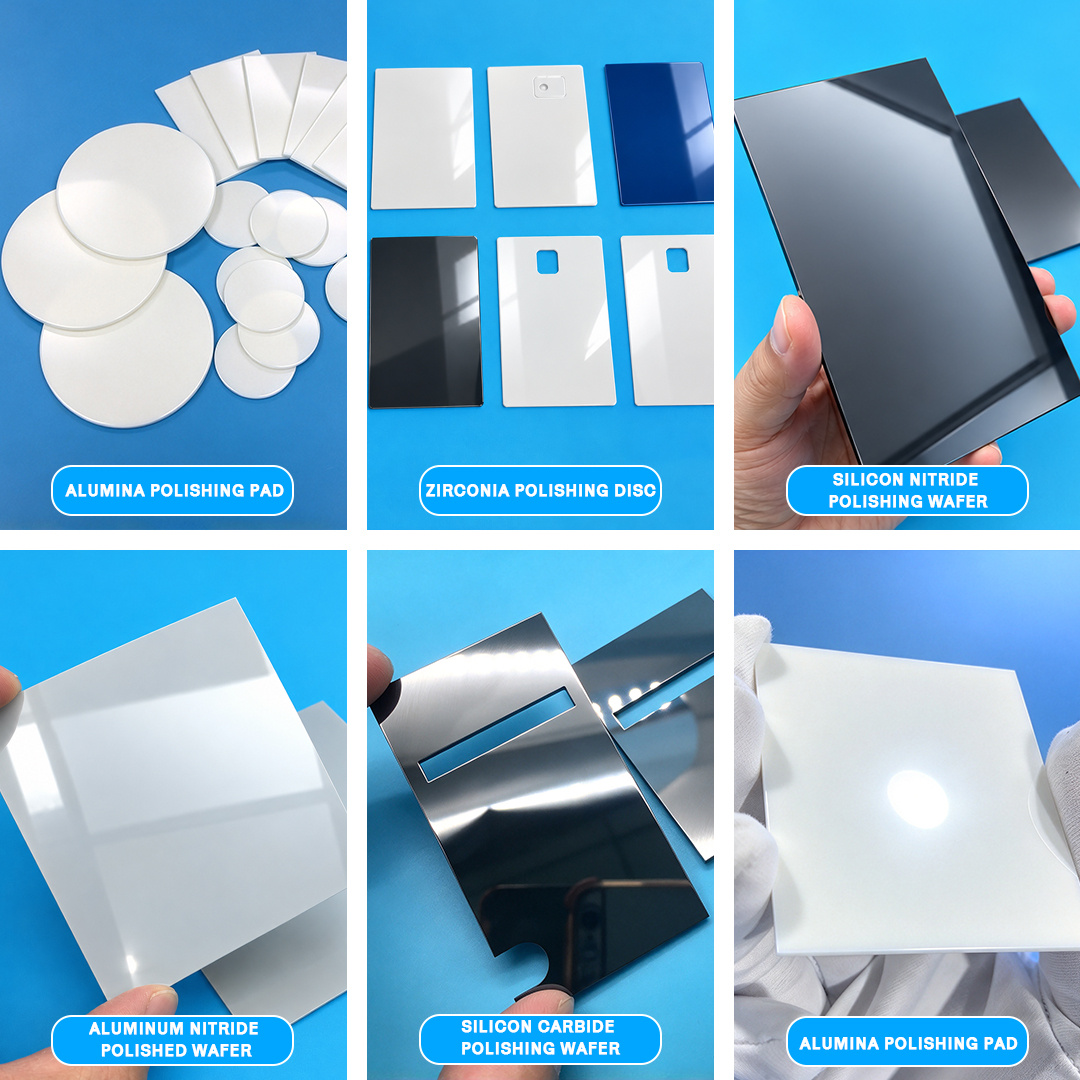
Zirconia: Features high strength and fracture toughness; ideal for ceramic components that require excellent crack resistance and wear resistance.
Alumina: Offers high hardness, good wear resistance, and electrical insulation. It provides an excellent balance of performance and cost, making it suitable for a broad range of precision machining applications. Available in various purity levels, such as 95%, 96%, and 99%, depending on your specific needs.
Silicon Nitride: Known for its exceptional thermal shock resistance, high mechanical strength, and well-rounded overall performance; well-suited for applications demanding high thermal stability and mechanical reliability.
Aluminum Nitride: Characterized by high thermal conductivity and excellent electrical insulation; ideal for use in electronics, semiconductors, and thermal management applications.
Silicon Carbide: Possesses high hardness, superior wear resistance, good thermal conductivity, and high-temperature stability; suitable for industrial environments involving significant wear, elevated temperatures, or stringent requirements for material stability.
② High Wear Resistance · Stable Machining Performance
Engineering ceramics offer excellent wear resistance, making them well-suited for conditions involving continuous contact, friction, and repetitive machining. Through the careful selection of materials, surface treatments, and structural design, the working surface of the polishing plate can be effectively maintained, minimizing the impact of wear on machining stability.
③ Precision Lapping · Controllable Surface Quality
Ceramic polishing plates can achieve superior surface finishes (down to Ra 0.02 µm) through precision lapping and polishing processes. Key parameters—such as thickness, flatness, parallelism, and surface roughness—can be precisely controlled to meet specific application requirements.
The exact precision and surface quality are determined based on product dimensions, material properties, machining methods, and inspection standards.
④ Dimensional Stability · Ideal for Precision Machining
Ceramic materials possess high rigidity and excellent dimensional stability, making them suitable for equipment that demands a stable working surface and high geometric precision for parts. Depending on the operating environment, product structure and machining strategies can be optimized by accounting for factors such as thermal expansion, applied loads, and temperature fluctuations.
⑤ Corrosion Resistance · Rust-Free · Reduced Risk of Metal Contamination
Unlike conventional metals, ceramic materials do not rust or suffer from oxidative degradation. Many types of ceramics exhibit high stability when exposed to various chemical media, helping to mitigate the risk of contamination caused by metal corrosion. The specific level of corrosion resistance should be evaluated based on the ceramic material, the composition of the chemical medium, its concentration, and the operating temperature.
⑥ Custom Structural Design · Built to Specifications
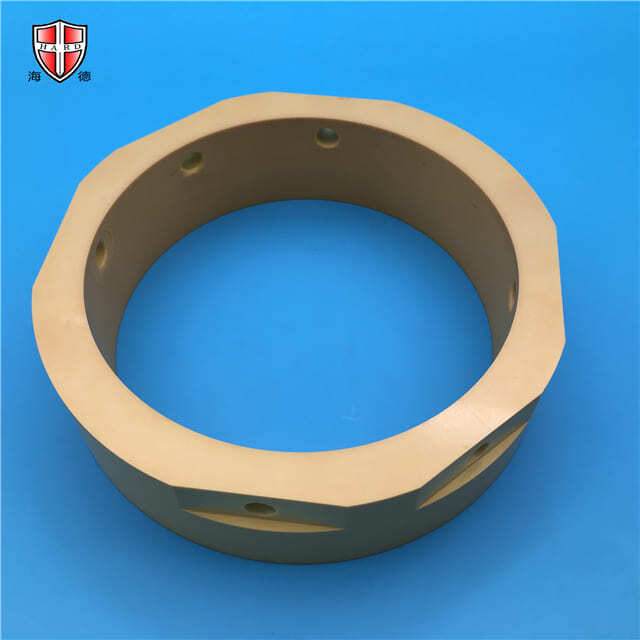
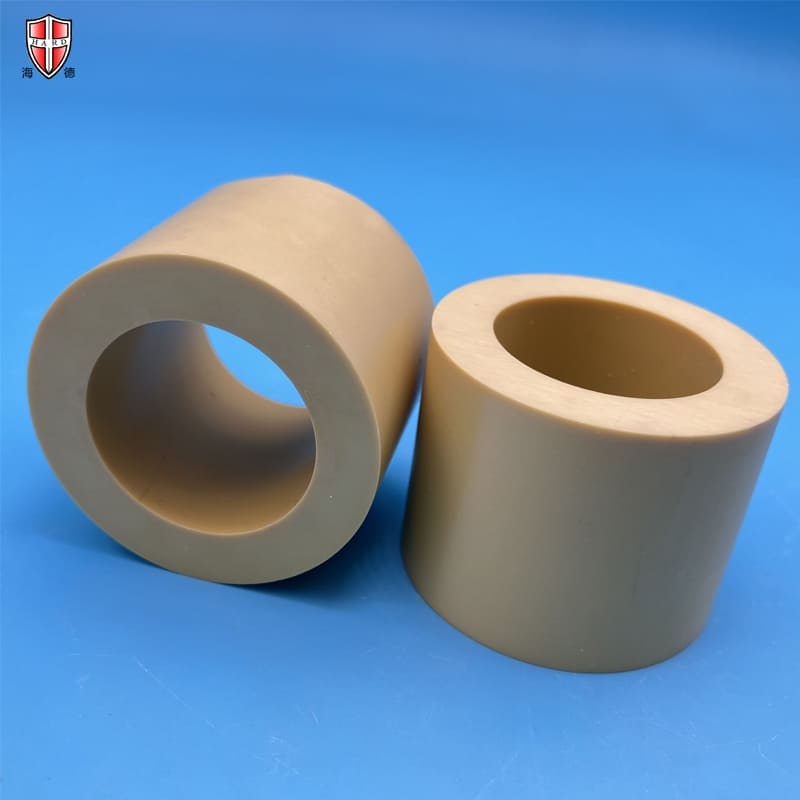
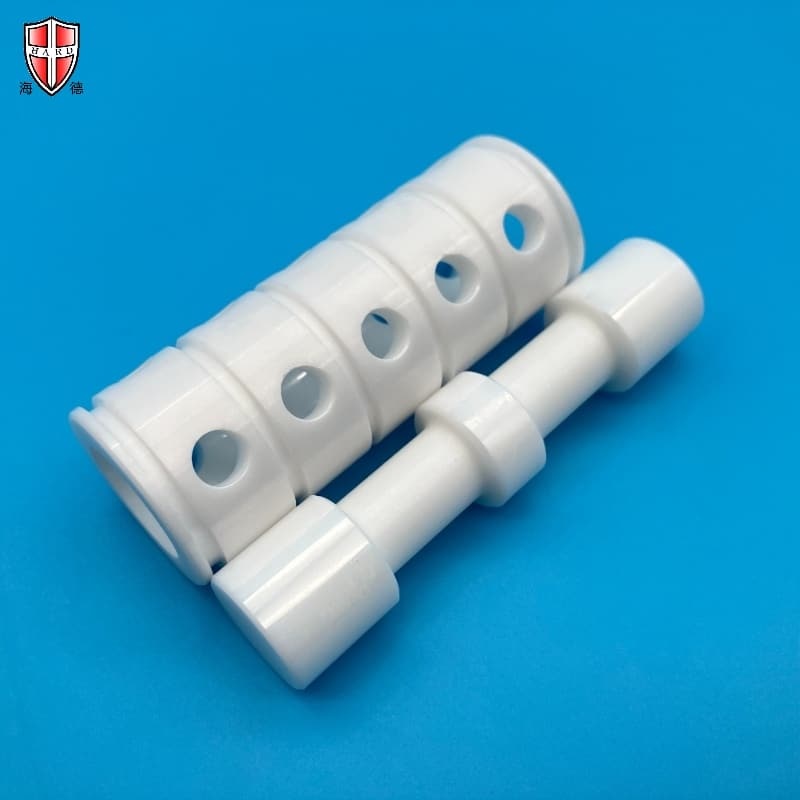
Ceramic polishing plates can be custom-manufactured—in circular, square, annular, or complex, non-standard shapes—based on client drawings and equipment requirements. Features such as center holes, positioning holes, mounting holes, and specific contours can be machined to ensure seamless integration and performance within various types of equipment.
Áreas de aplicación
Precision Ceramic Processing: Grinding, polishing, and surface treatment of ceramic components.
Optical and Precision Glass Processing: Grinding and polishing systems for specific glass and optical materials, tailored to the technical requirements of the equipment.
Semiconductor and Electronics Manufacturing: Processing equipment for precision substrates, electronic ceramics, and related components.
Electronic Ceramic Processing: Processing operations for aluminum oxide, aluminum nitride, and other ceramic-based materials.
Precision Mechanical Manufacturing: Surface machining and treatment of high-precision components.
Wear-Resistant Component Processing: Industrial processing equipment designed for applications requiring high wear resistance and dimensional stability.
Specific applications should be determined based on the operating mode of the polishing pad, the materials in contact, the abrasive media used, and the specific processing techniques.



 Spanish
 English
 German
 French
 Italian
 Portuguese
 Polish
 Czech
 Turkish
 Russian
 Korean
 Japanese