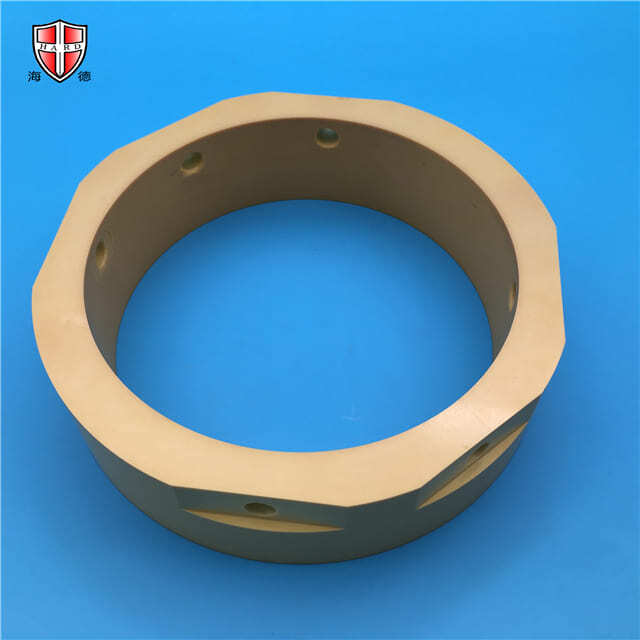
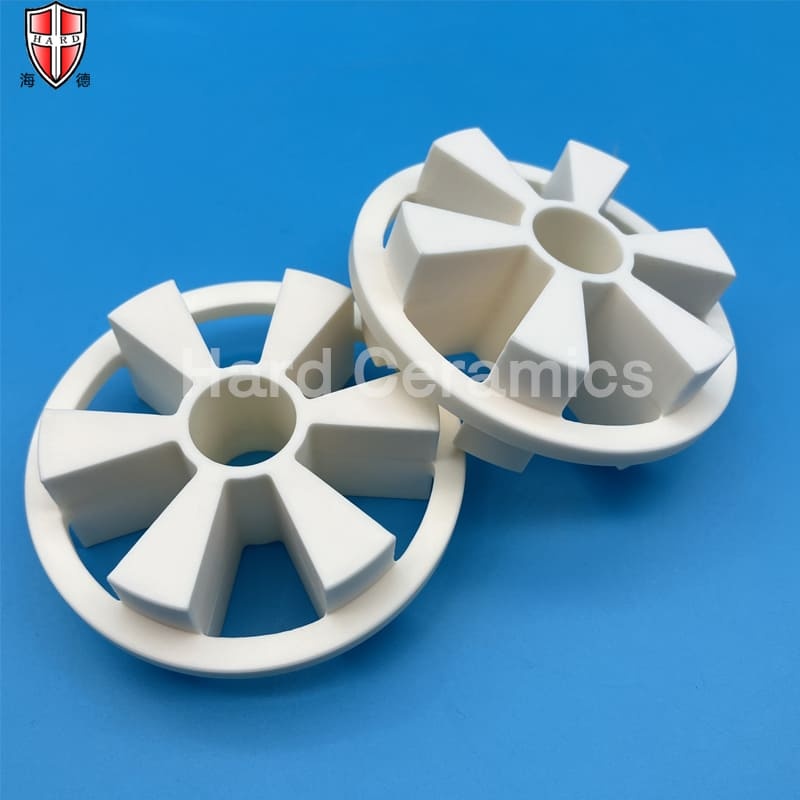
La alúmina, un material cerámico de precisión, ofrece alta dureza, estabilidad química, resistencia a la temperatura y aislamiento eléctrico. Es esencial para componentes resistentes al desgaste, recipientes químicos, elementos de alta temperatura, aislantes electrónicos y piezas de precisión.
1. Amplias aplicaciones y rendimiento mecánico equilibrado
La alúmina es ampliamente valorada por sus propiedades mecánicas equilibradas, incluyendo alta resistencia, dureza y excelente resistencia al desgaste. Estas características le permiten desempeñar un papel crucial en diversos campos.
- Aplicaciones industriales a alta temperatura: La alúmina está muy presente en la fabricación de materiales refractarios para hornos industriales de alta temperatura. Su elevado punto de fusión y su estabilidad le permiten operar en entornos extremos de altas temperaturas sin deformarse ni dañarse.
- Componentes electrónicos: La alúmina también se utiliza extensamente en la industria electrónica, especialmente en la fabricación de sustratos, aislantes y materiales de embalaje. Su excepcional aislamiento eléctrico y conductividad térmica la convierten en un material ideal para componentes electrónicos.
2. Estabilidad en propiedades químicas y físicas
La estabilidad de la alúmina en sus propiedades químicas y físicas la hace indispensable en las industrias de precisión.
- Propiedades térmicas: La resistencia al calor y la buena conductividad térmica de la alúmina la hacen muy útil en aplicaciones que requieren una rápida disipación del calor, como en iluminación LED y electrónica de potencia.
- Propiedades mecánicas: La alta resistencia y dureza garantizan la durabilidad de la alúmina frente a tensiones físicas, lo cual resulta especialmente crucial en la fabricación aeroespacial y automotriz.
- Otras propiedades: El alto aislamiento eléctrico y la fuerte resistencia a la corrosión de la alúmina la hacen adecuada para entornos de procesamiento químico y aplicaciones eléctricas. Además, su alta biocompatibilidad la hace muy apreciada en dispositivos médicos y materiales para implantes biomédicos.




 Spanish
  English
  German
  French
  Italian
  Portuguese
  Polish
  Czech
Czech  Turkish
  Russian
  Korean
  Japanese